What Can Go Wrong
Farmington sits five miles from our Fayetteville shop, close enough that an opener swap doesn't turn into a half-day event waiting on a second truck run.
Builder-grade chain openers
That matters here because the fix is usually quick once we're on site: the median home in this part of the service area went up around 1998, which puts most garage doors on the builder-grade chain-drive openers that came standard on new construction through the late '90s and into the 2000s. Those units are getting old.
Stripped gear kit failure
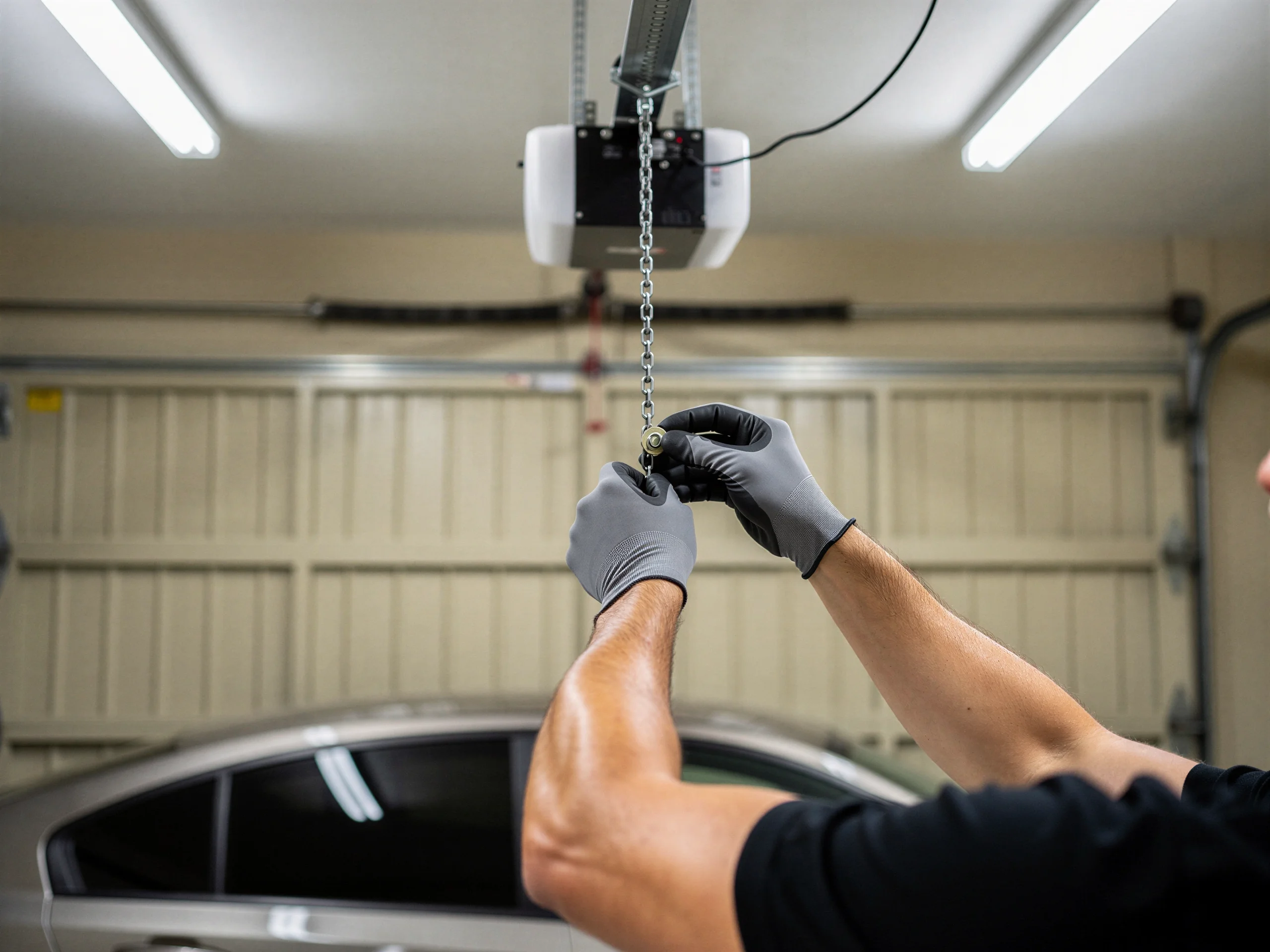
The gear and sprocket kit inside a chain-drive opener wears out after enough winters, and once it strips, the motor runs but the door doesn't move, or it moves in fits and starts. We also see failed capacitors, worn drive belts on the newer belt-drive retrofits homeowners have swapped in, and logic boards that won't hold a program after a power blink.
Cracked housing, scorched board
None of this is exotic. It's just what 25-year-old hardware does. The honest limit here: if your opener is this old and the motor housing is cracked or the circuit board is scorched, we're not going to spend an hour chasing a part that costs more to source than a new unit costs installed. We'll tell you straight when replacement beats repair.
Getting It Booked In
Because Farmington is a short drive from our shop, we can usually get a look at your opener and tell you on the spot whether it's a repair or a full swap.
Five miles from shop
We don't run a branch out here and we're not going to pretend we do - every job rolls out of Fayetteville, and the five-mile distance is short enough that it doesn't change how we quote or schedule a job compared to jobs closer to the shop.
Details before the visit
We ask a few things before we come: the brand if you know it, whether it's chain, belt, or screw drive, and whether the door still moves by hand smoothly. A door that binds on its tracks will wreck a new opener in a matter of weeks, so if the opener's dying because the door's fighting it, we'll flag that before we install anything new.
Wiring updates before start
For a straight opener swap with no door issues, most jobs are a single visit. If the wiring or wall control needs updating to meet current safety-sensor standards, we'll walk you through that before we start, not after the invoice.
Parts We Carry
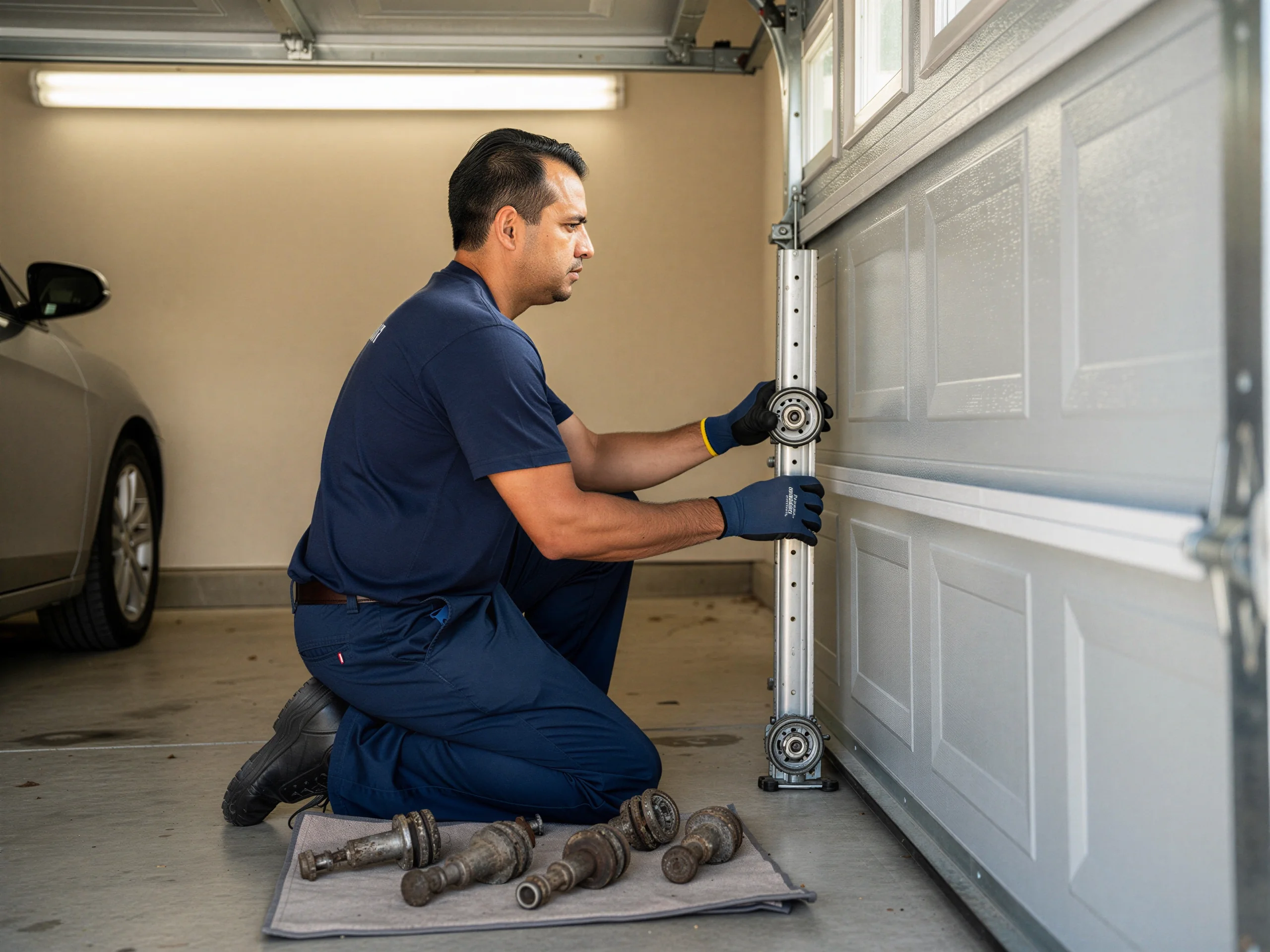
Across the wider service area, most of the housing stock dates to the 1980s and '90s, and that's the generation of opener hardware we carry parts for as a matter of course: drive gear kits, capacitors, logic boards, and the photo-eye safety sensors that became standard equipment industry-wide. Farmington's own stock sits right in that window, which is why a chain-drive gear kit is usually on the truck rather than something we have to order.
For newer installs, we stock belt-drive and screw-drive openers in the horsepower ratings that suit a standard double-car door, along with battery backup units for homes that lose power during winter storms. What we don't keep on hand is obsolete control boards for openers no longer made - if your unit is one of those, we'll quote a full replacement rather than hunt for a discontinued part that may take weeks to source.
How It Shows Up
Winters here sit in the cold-moderate band, and cold is hard on an opener in a way most owners don't expect. The grease packed into a drive gear thickens as temperatures drop, and a motor that's already tired from twenty-plus years of use has to work harder to push the door through that resistance. You'll notice it as a door that starts moving, hesitates, then jerks forward - or an opener that hums for a second before the breaker trips.
In a town built mostly in the late '90s and 2000s, we also see a lot of openers that were installed once and never serviced since. The safety reversal sensors get knocked out of alignment, the wall button sticks, or the remote stops syncing. None of these on their own mean the motor's dying, but together they're usually the sign that the whole unit is past the point where swapping one part makes sense.
How We Fix It
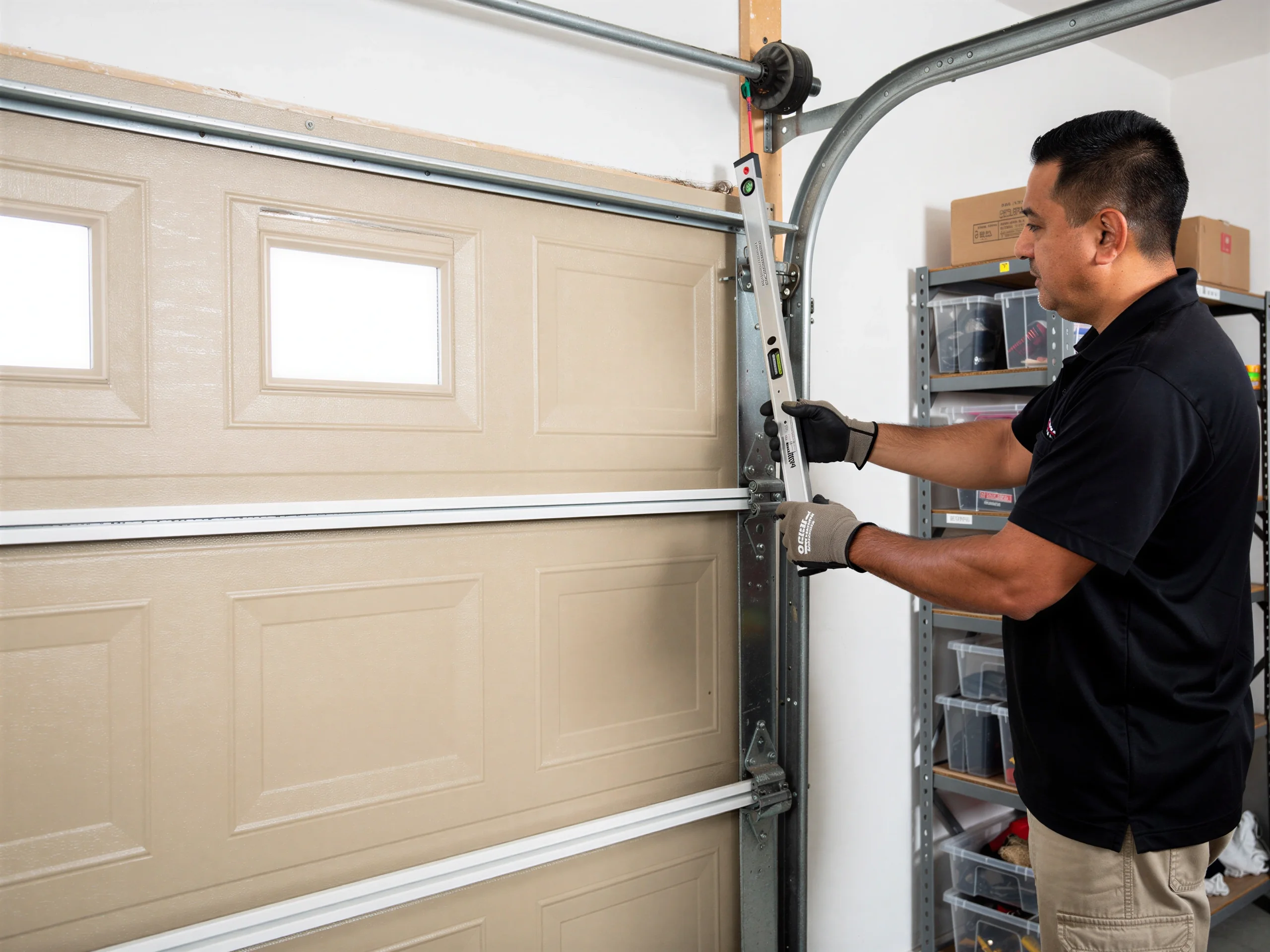
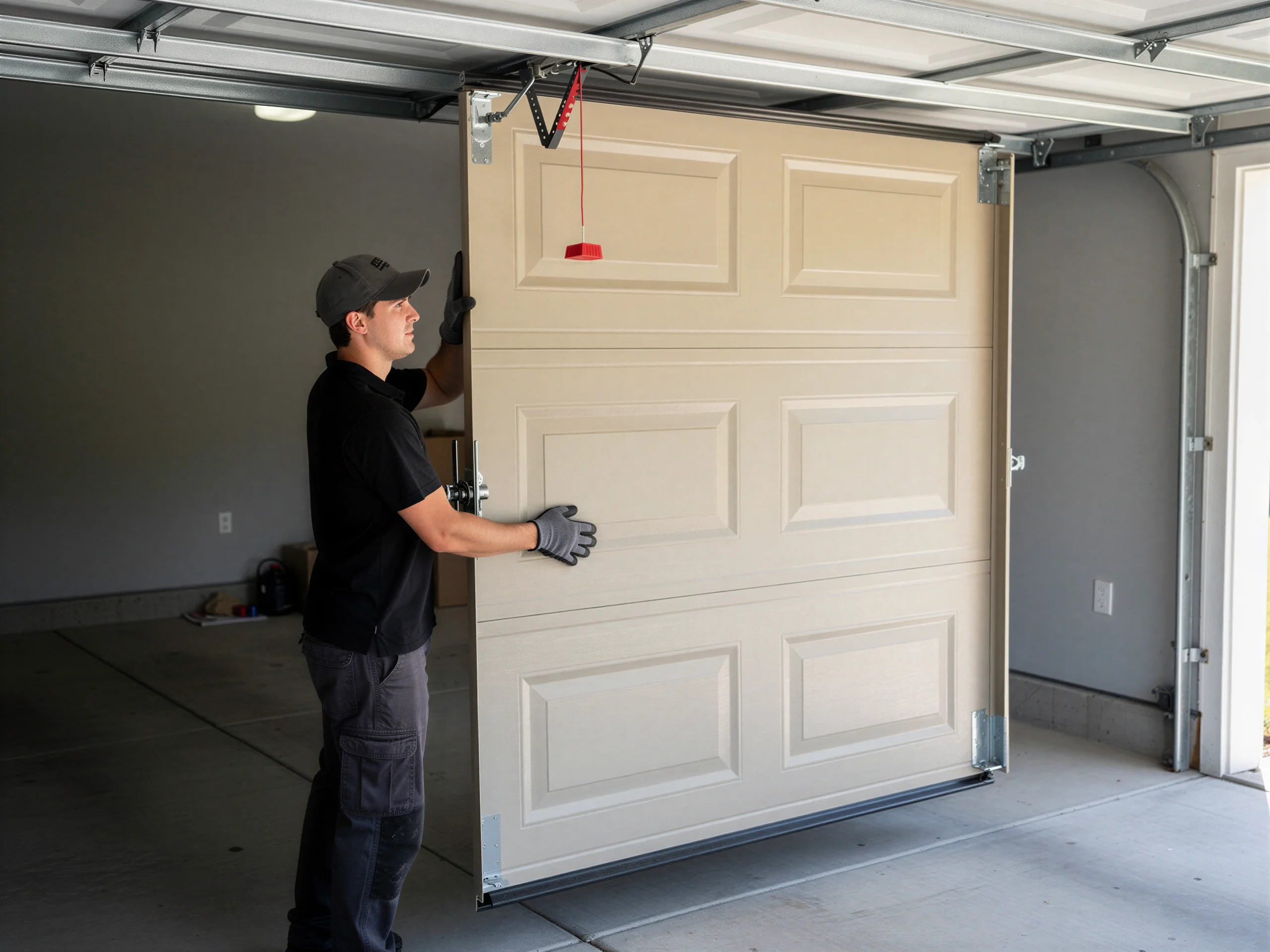
We start by running the door through a full cycle by hand to check balance, because an opener installed on an unbalanced door burns itself out early no matter how good the unit is.
Safety sensor reversal check
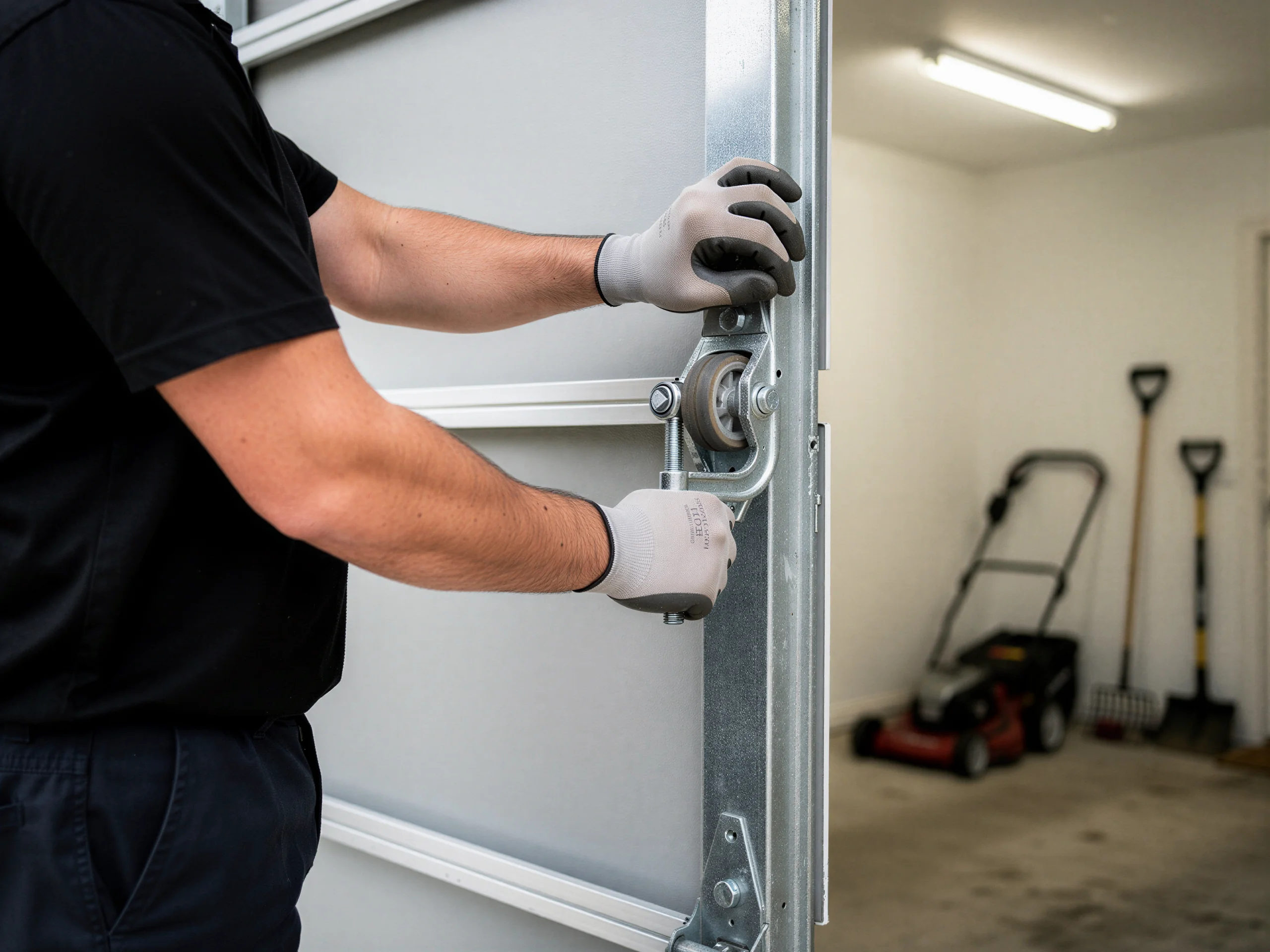
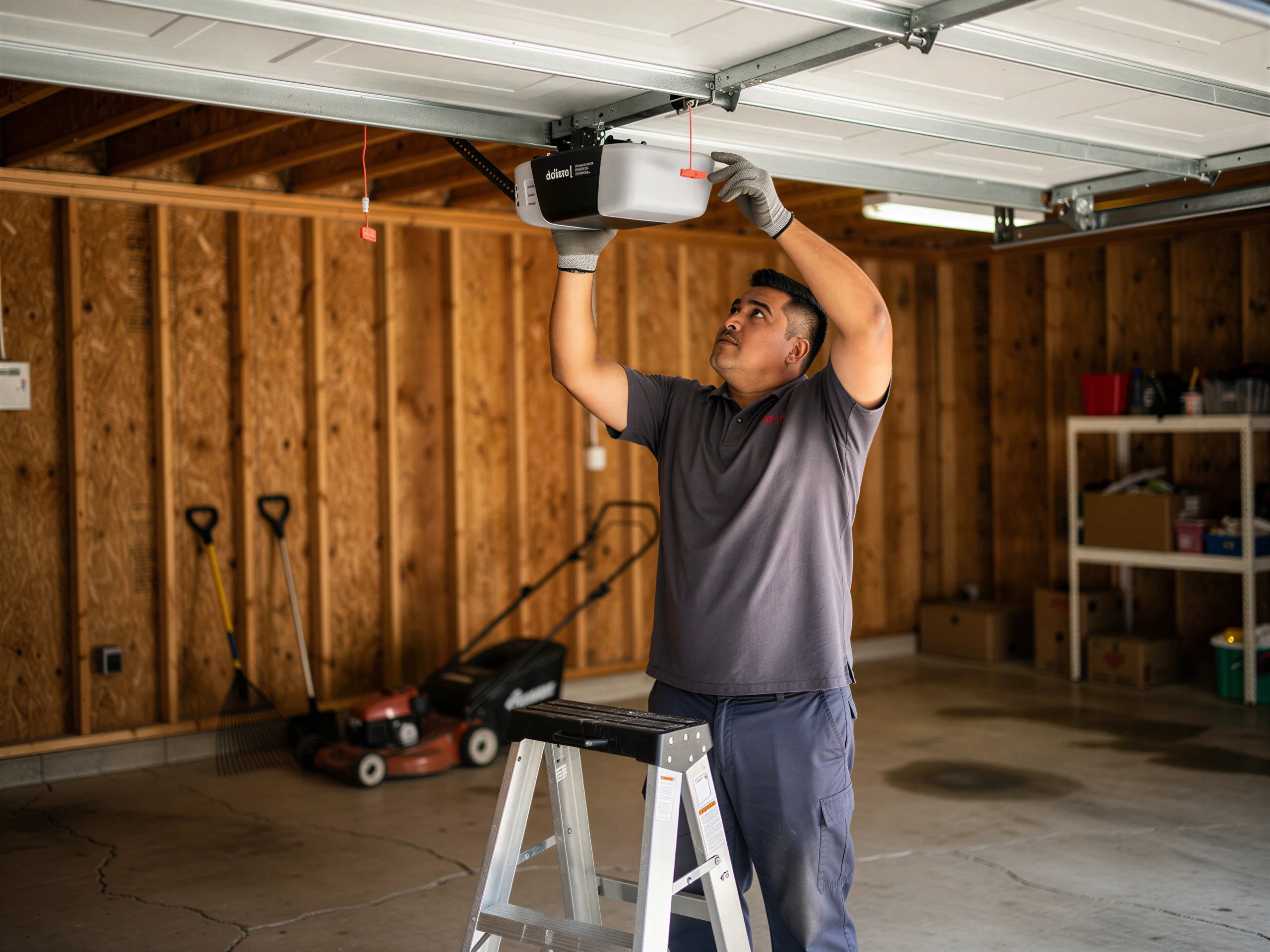
If the door's fine, we move to the opener itself: test the capacitor, check the gear for stripped teeth, and confirm the safety sensors align and reverse the door correctly - that's not optional, it's how the unit is supposed to work.
Replace rather than repeat repairs
At a median household income of $88,541 in this part of the service area, most owners we talk to would rather pay once for a new opener than keep paying for repair visits on a unit that's going to fail again next winter.
Undersized motor risk
We size the new unit to the door - weight, width, and whether it's insulated - rather than install whatever's cheapest, because an undersized motor on a heavier door just repeats the same failure in a year or two.
Talk to a local pro
Garage door service in Fayetteville?
Same-day service with honest, upfront quotes.