How We Fix It
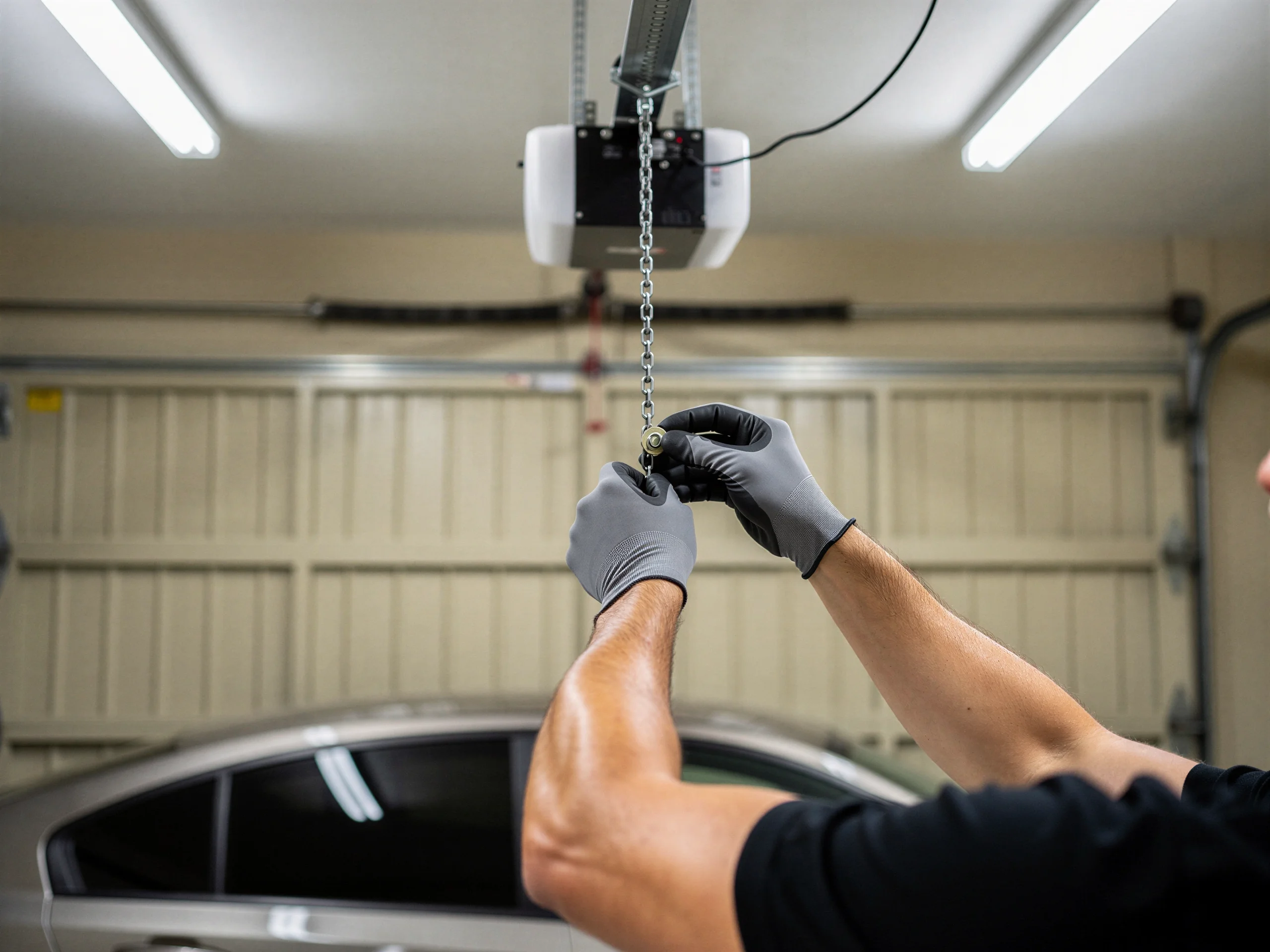
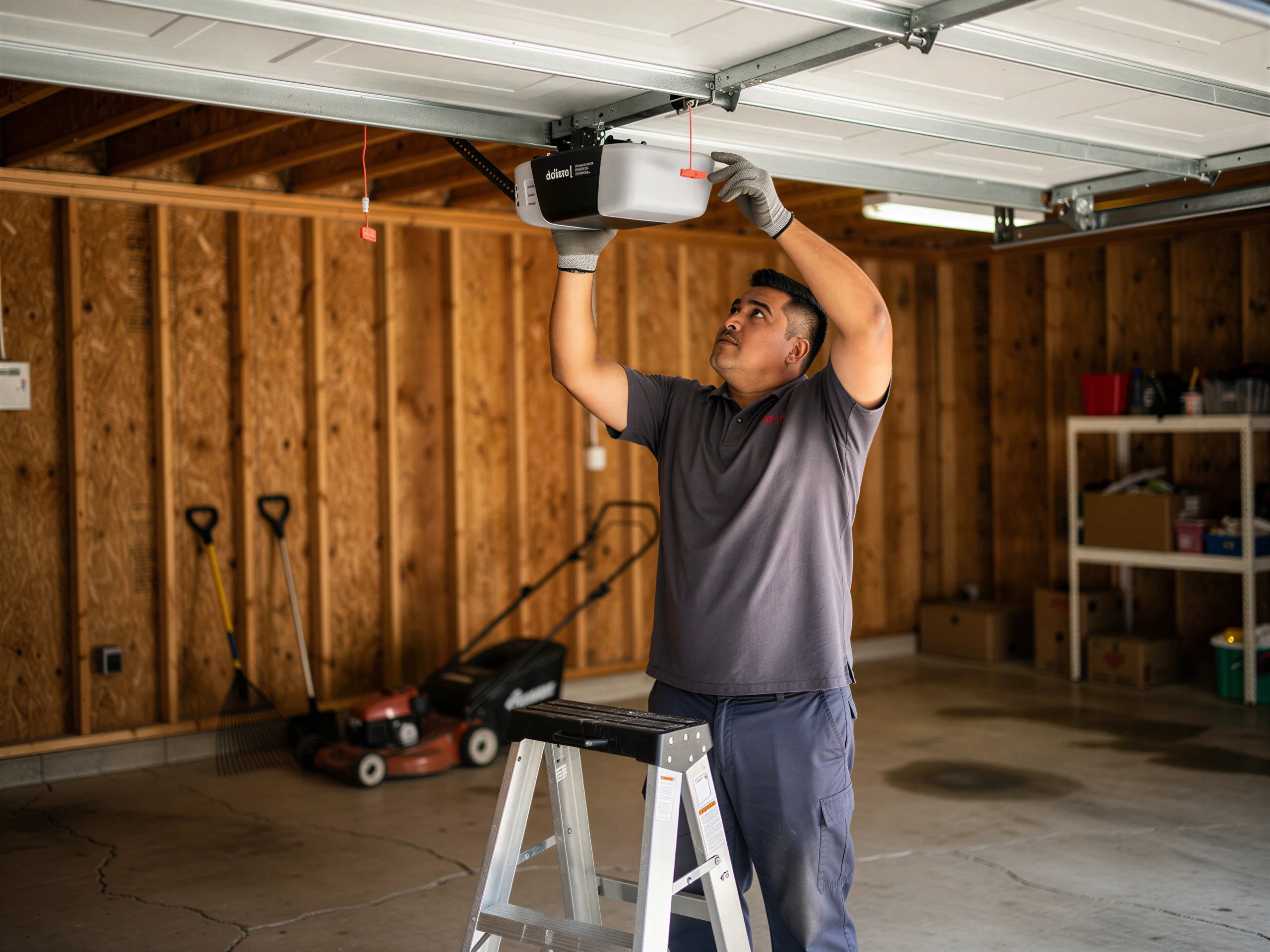
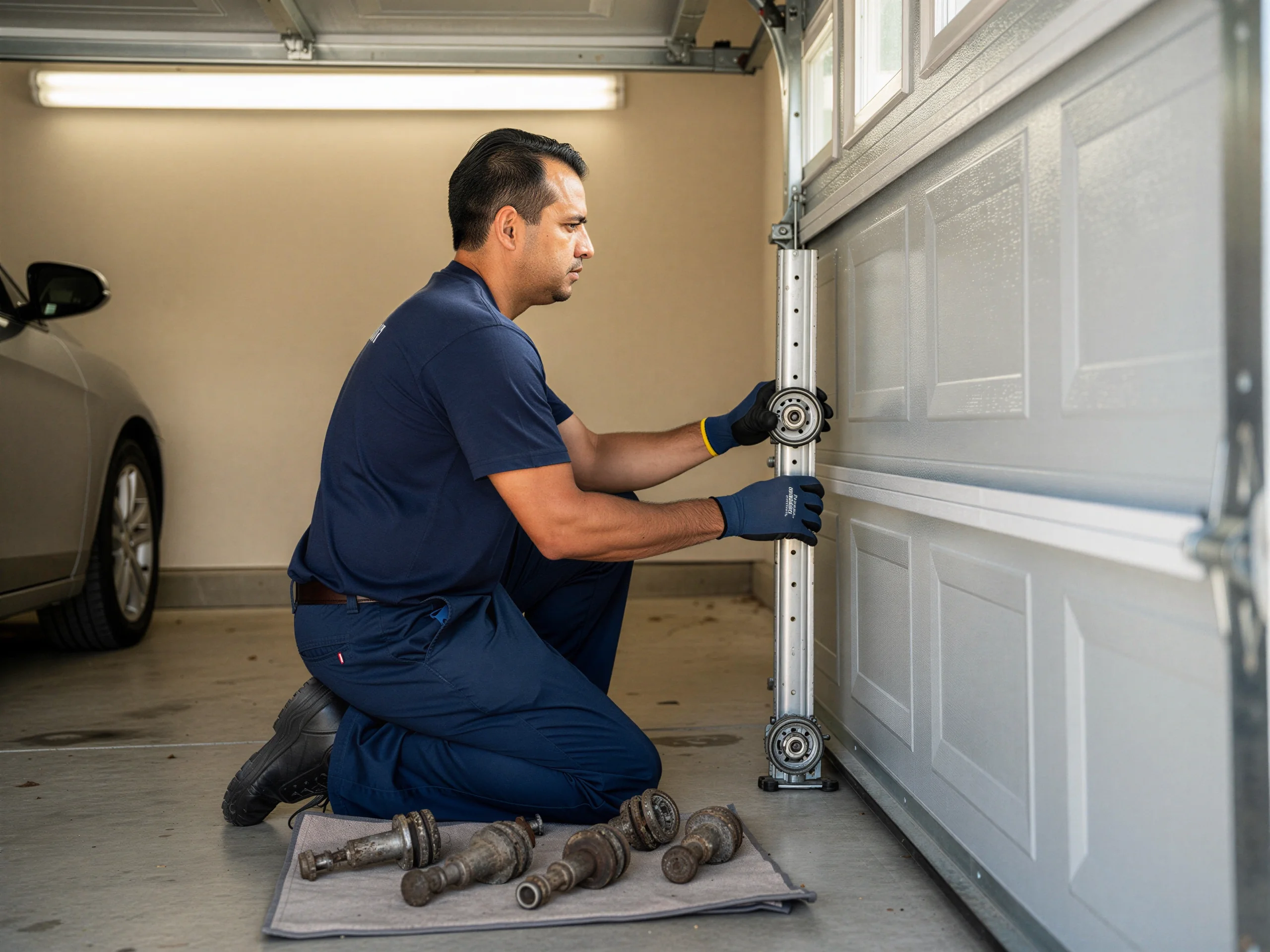
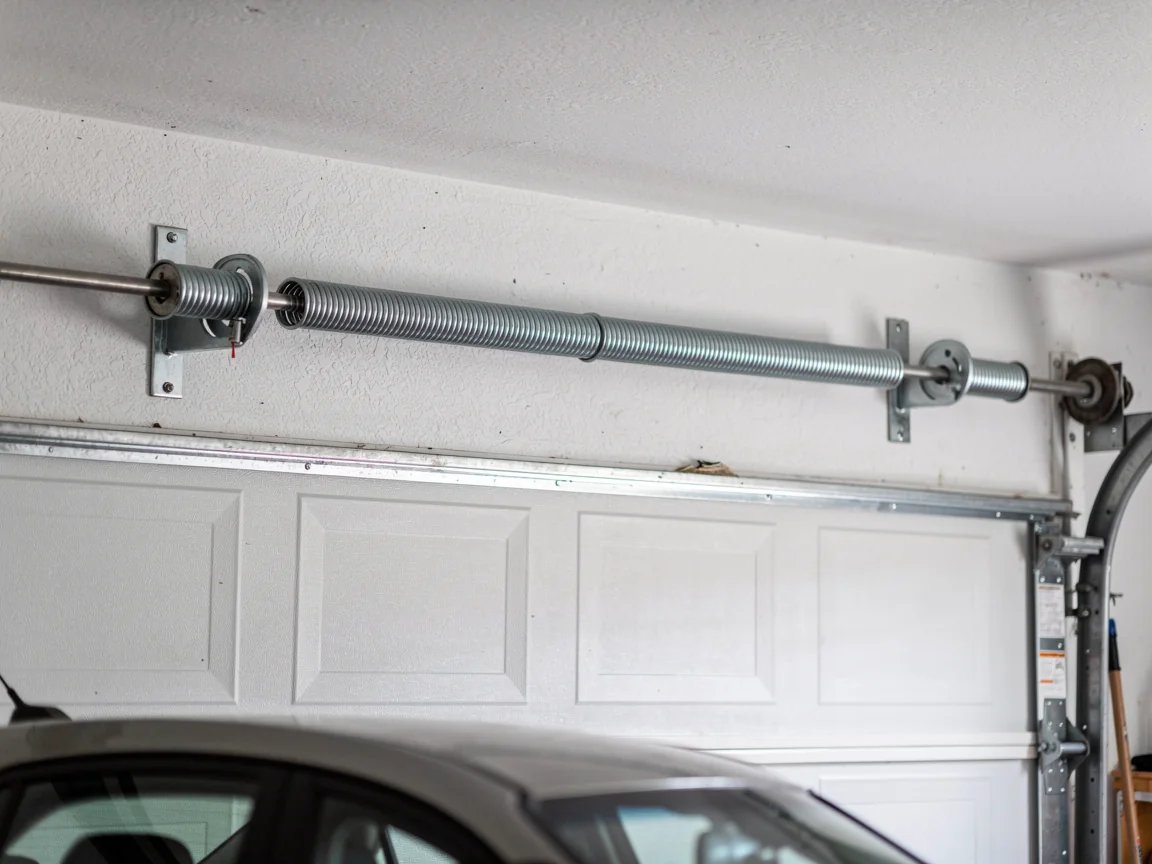
A maintenance visit isn't a quick spray-and-go. We pull the cover off the opener, check the torsion spring cycle count against the door's age, and look at how the cables are sitting on the drums.
Hardware settles over time
On a lot of the doors we see here, built somewhere between 1967 and 2013 with most of the stock dating to the 1980s and 90s, the hardware has settled into whatever gap or misalignment it's going to settle into, and that's what we're hunting for.
Maintenance checklist items
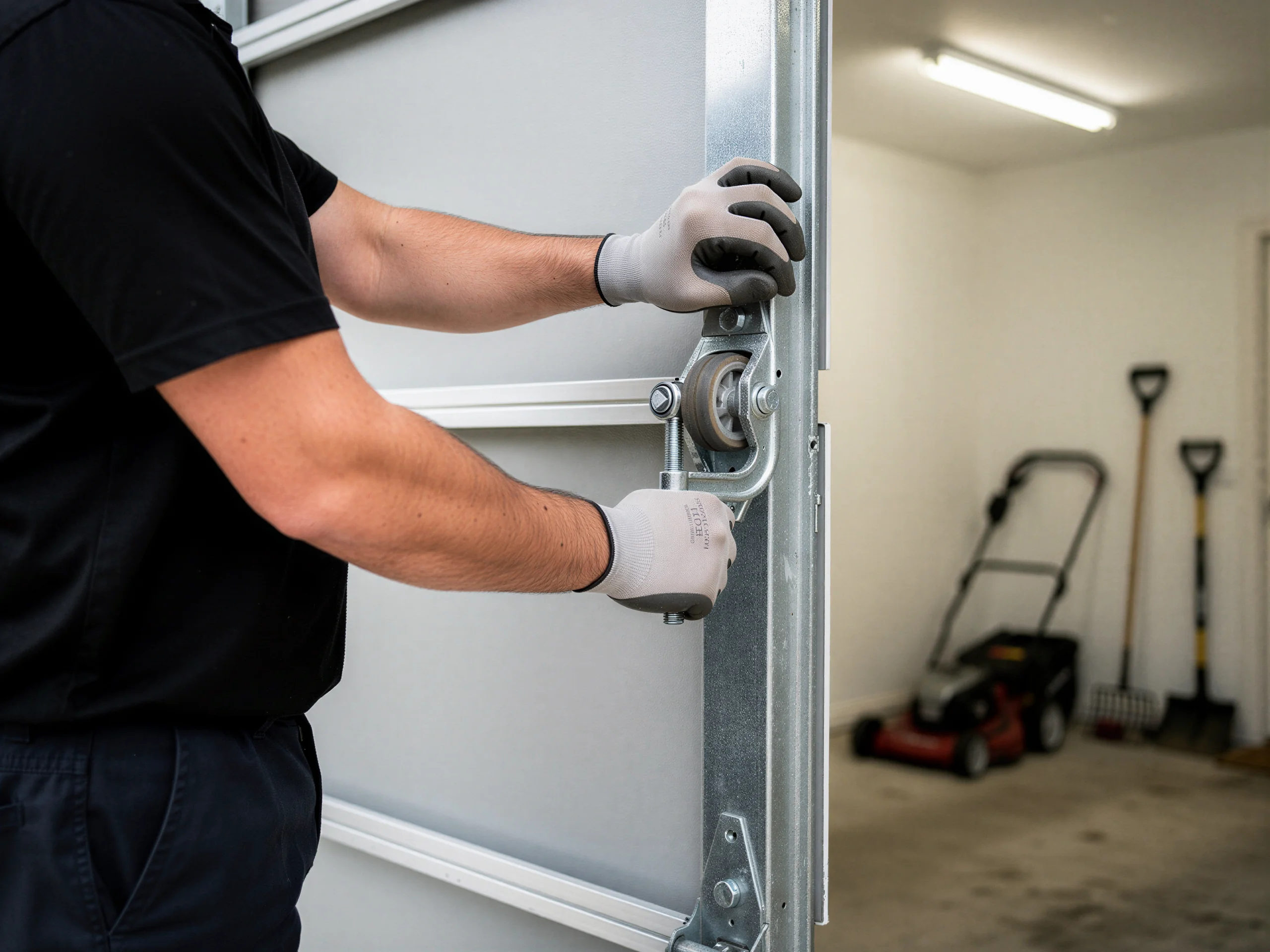
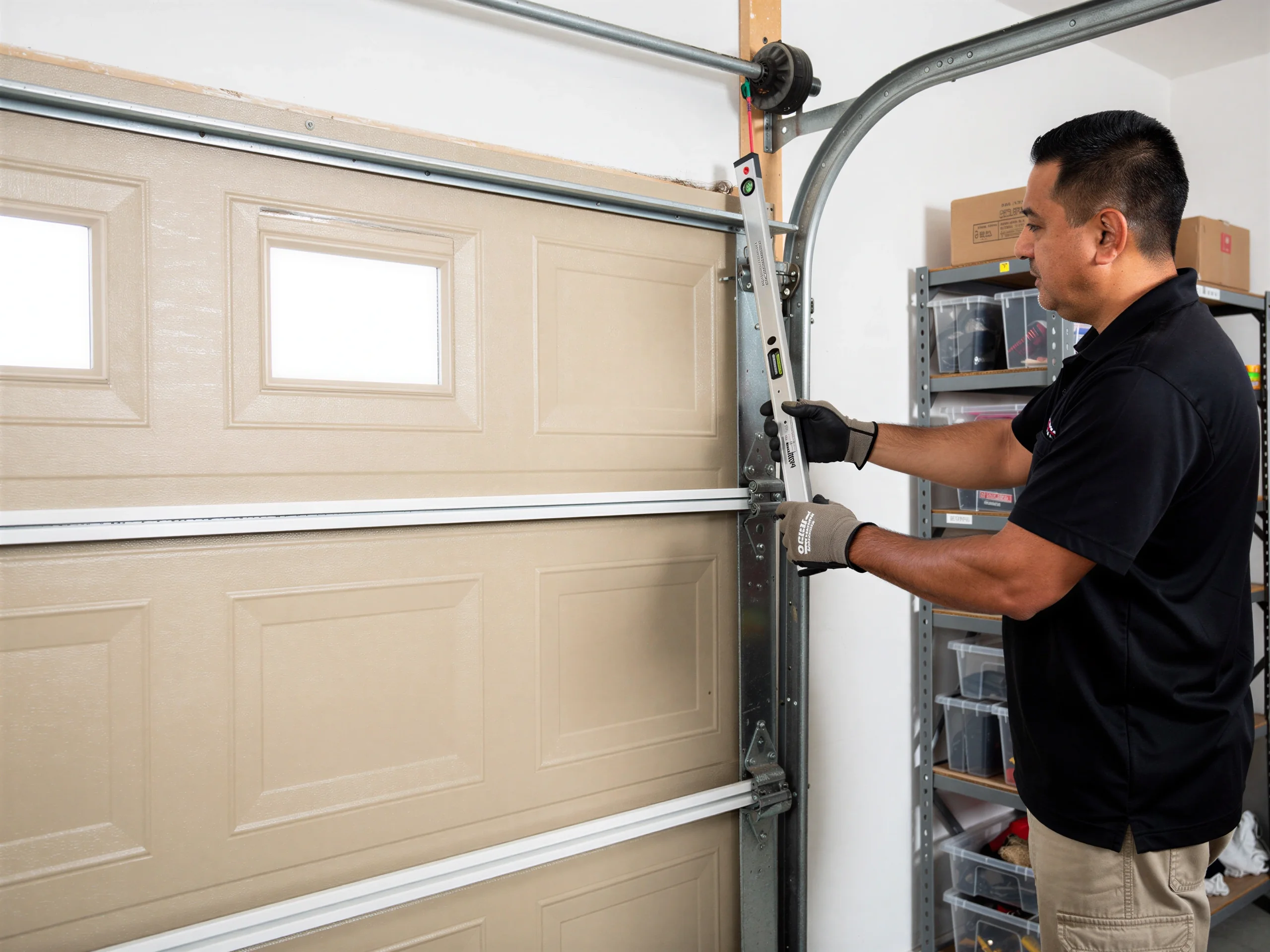
We check roller wear in the track, re-torque loose hinges, and test the auto-reverse safety sensors, which matter more on older openers that predate current safety standards. We lubricate hinges, rollers, and the torsion spring itself with the right product, not WD-40, which actually attracts grit.
Near-end spring replacement
If a spring is close to the end of its rated cycle life, we'll tell you straight rather than wait for it to let go on a cold morning. One honest limit: if your opener's circuit board is failing, that's a repair or replace call, not something a maintenance visit fixes. We'll flag it and give you the real options.
What Causes It Around Here
Fayetteville sits in a cold moderate climate band, and that swing between summer humidity and winter cold is hard on garage door hardware over time. Steel contracts in cold weather, which tightens tolerances on tracks and rollers that were already adjusted for a warmer month. On a house built in the 1980s or 90s, which describes most of what's out there across the service area's named communities, the track brackets and torsion hardware are original or close to it, and three decades of seasonal contraction and expansion works screws loose and nudges tracks out of plumb a little at a time. Newer builds from the 2000s and 2010s generally have better-sealed bottom seals and heavier-gauge track, so they show different symptoms, but a lot of the housing stock here predates that. None of this is dramatic. It's slow wear from temperature swings acting on 25-to-50-year-old hardware, which is exactly why a once-a-year check catches it before a spring snaps or a cable frays through.
How It Shows Up
The most common thing we hear is the door sounding rougher than it used to, a grind or a bang partway through the cycle that wasn't there a year ago.
Flat rollers, loose brackets
That's usually a roller that's worn flat on one side, or a track bracket that's worked loose. Another pattern: the door closes fine most of the day but struggles first thing on a cold morning, which points to the torsion spring losing tension as the steel contracts.
Drifted sensors mimic motor
Owners also notice the opener straining, pausing, or reversing partway up, which often traces back to sensors that have drifted out of alignment rather than anything wrong with the motor itself. None of these show up all at once.
Slow-building wear symptoms
They build over a few cycles a day, every day, for years, until one morning the door just doesn't move. A maintenance visit is built to catch the first version of these symptoms, not the last one.
Getting It Booked In
We run maintenance across the Fayetteville service area, including Johnson, Farmington, Greenland, Tontitown, Elkins, Goshen, West Fork, Prairie Grove, Elm Springs, Lowell, Cave Springs, Lincoln, Highfill, Prairie Creek, and Winslow. With roughly 14,900 owner-occupied houses among the area's 22,268 households, most of them built before today's code revisions, an annual check is the cheapest insurance you'll buy for a garage door. It's a straightforward visit: we inspect, lubricate, adjust, and tell you what's holding up fine and what's on borrowed time. You pick the schedule; we don't push a maintenance plan you don't need. Head back to our home page to see the rest of what we do.
Talk to a local pro
Garage door service in Fayetteville?
Same-day service with honest, upfront quotes.