 What a Service Call Covers in Fayetteville
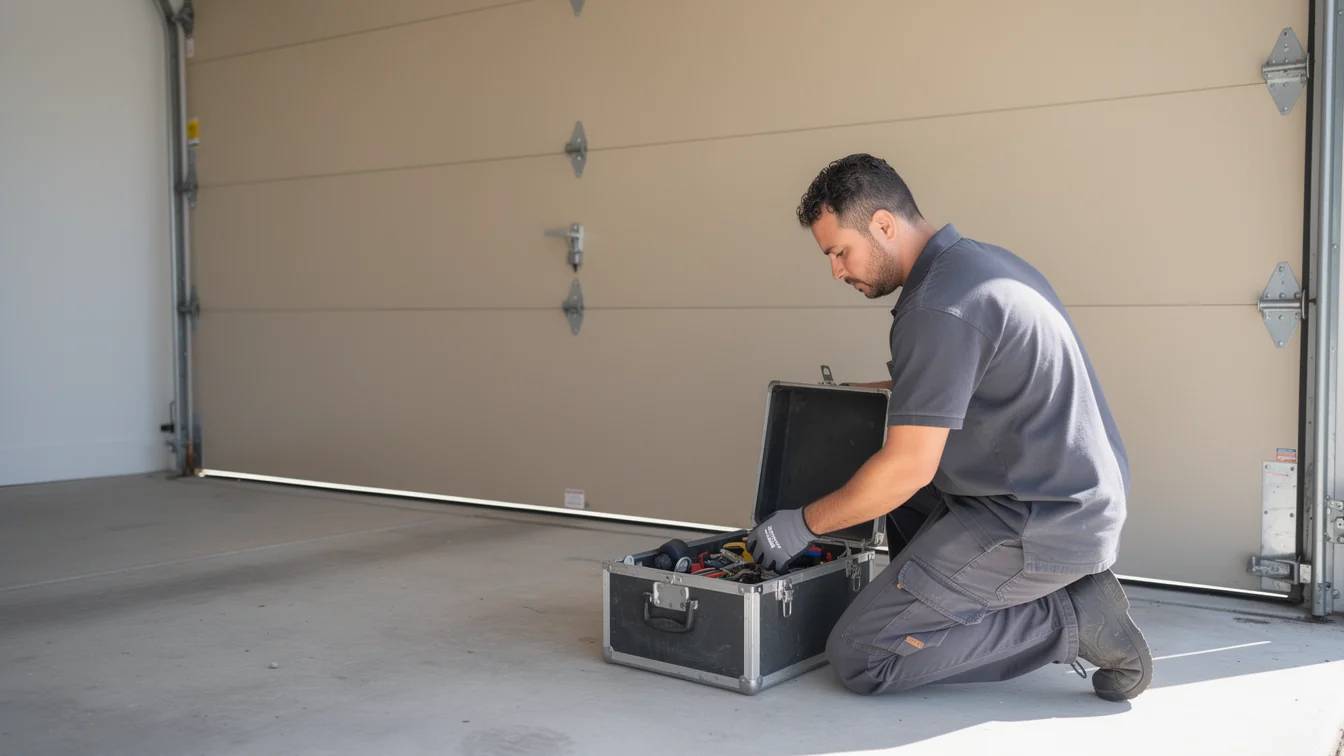
A breakdown of what a Fayetteville Garage Door Pros service call covers, built around this area's 1980s-90s housing stock and cold-climate wear patterns.
When a Spring Lets Go in Cold Weather
Why torsion springs snap in Fayetteville's cold snaps, what it costs to fix, and why the area's 1980s-90s housing stock makes this failure so common here.
Local detail
When to Get Help
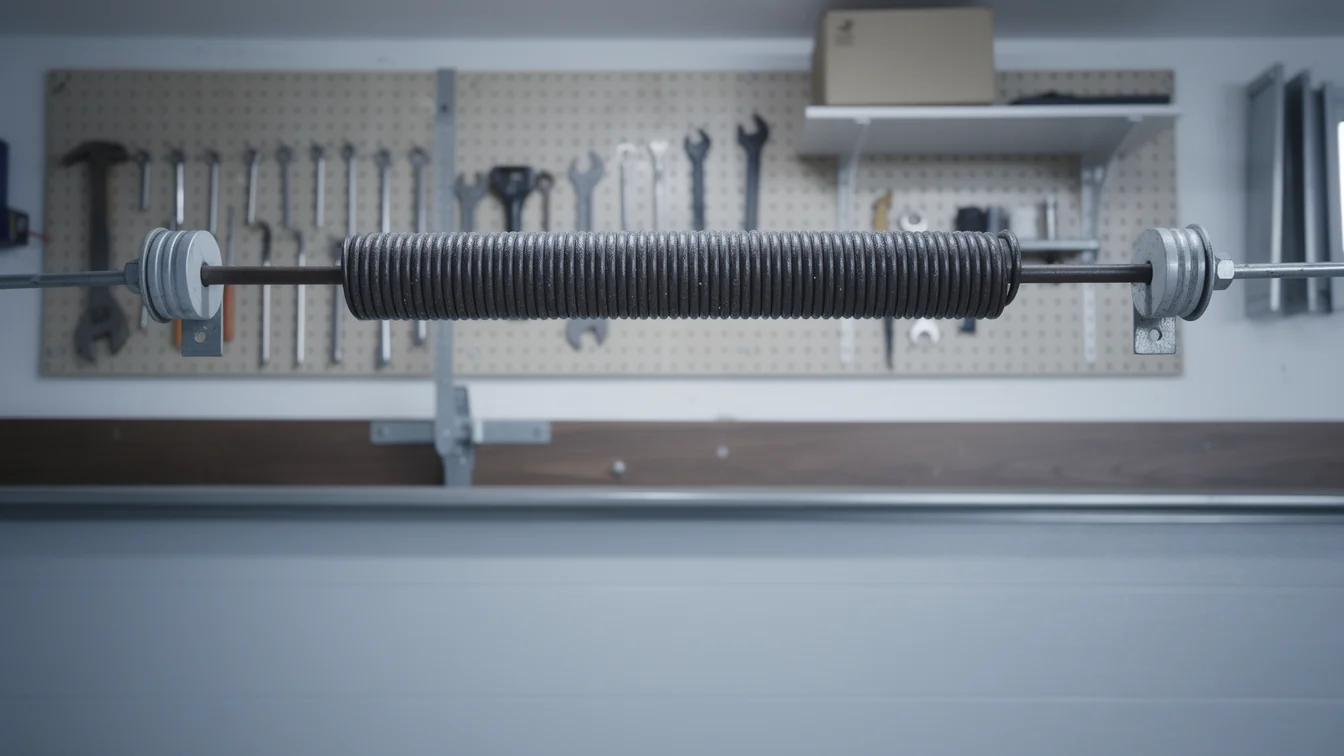
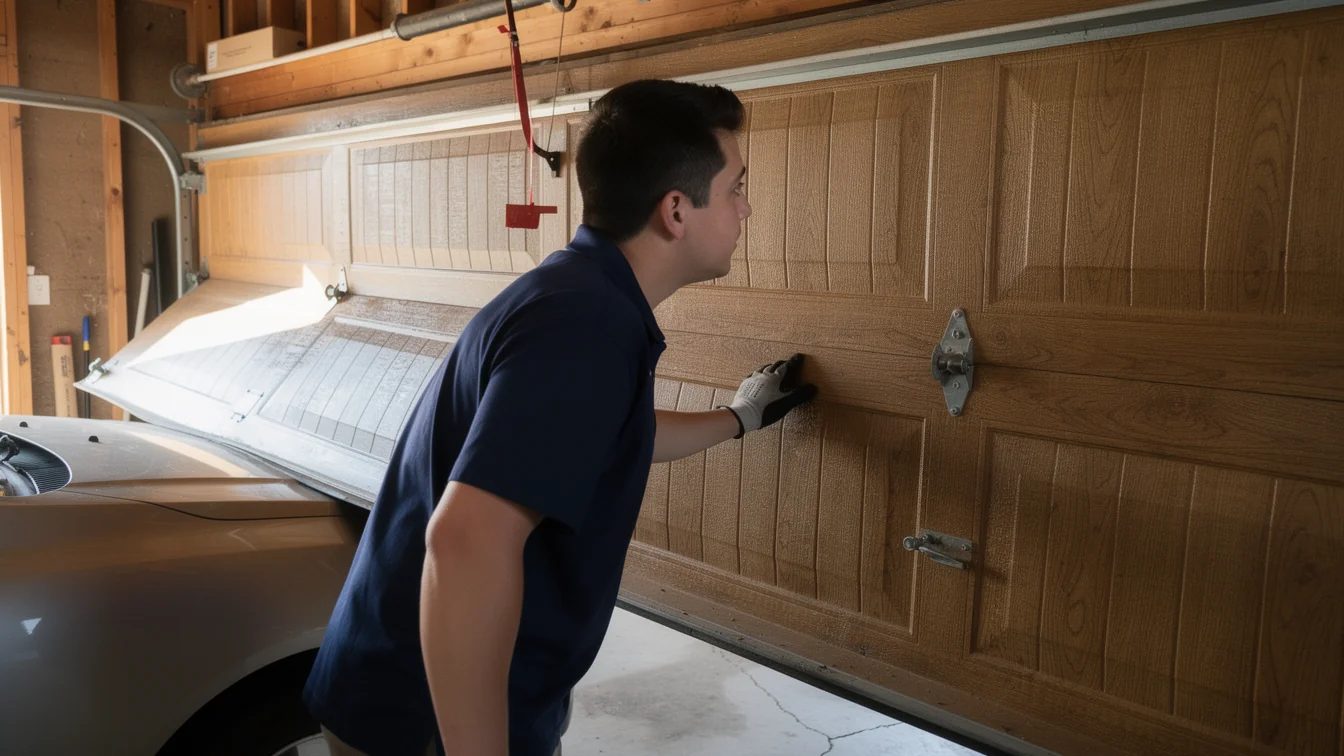
A torsion spring doesn't always fail with a bang. Sometimes the door just gets heavy, the opener strains, or you hear a flat metallic pop from the header above the door. If that happens on a morning when the temperature dropped hard overnight, that's not a coincidence - cold steel loses flex, and a spring that's been doing fine for twenty years can crack the moment it's asked to do its job at 20 degrees instead of 50. Don't try to force the door open by hand or run the opener through it; that's how a cable jumps the drum or a bottom bracket tears loose. If the door won't lift evenly, or one side hangs lower than the other, leave it down and call. Across the service area - Johnson, Farmington, Greenland, and the rest of the 15 communities we cover - this is the single most common cold-weather call we get, and it almost always traces back to the same thing: a spring that was already near the end of its cycle count before the cold finished it.
The area
What It Costs
We don't post a flat number here because the job isn't flat - a single spring on a standard door is a different job than a matched pair on a heavier insulated door, and the 1980s and 1990s doors that make up most of the local stock often use wire gauges and drum sizes that aren't what's sold off the shelf today. What we can tell you: with a median household income of $87,150 across the area, most owners choose a full spring replacement over a patch job, because a patched spring on an old door tends to fail again within a season. If your door was built with the house - and a lot of them here date to that 1967-2013 window - expect the tech to check the whole torsion assembly, not just swap the broken coil, since the drums and bearing plates from that era wear at roughly the same rate.
What we find
What Local Conditions Do
Fayetteville sits in a cold-moderate climate band, which doesn't sound dramatic, but it means something specific for spring steel: repeated freeze-thaw cycles through the winter, rather than one long deep freeze. That cycling - cold overnight, warmer by afternoon, cold again - flexes the coil through contraction and expansion over and over, and that's what fatigues a spring faster than steady cold ever would. A spring rated for 10,000 cycles doesn't care whether those cycles happened in July or January, but cold steel is more brittle at the moment of failure, so cracks that were forming all year tend to finish the job on the coldest mornings. Houses in Johnson and Farmington see the same swing we do, four and five miles out, so the pattern isn't unique to one street - it's the regional weather doing the same thing to the same kind of springs.
How we work
The Problem
The real issue isn't the cold itself - it's timing. Most of the housing stock across this service area, roughly 22,268 households and 14,904 owner-occupied houses, went up between 1967 and 2013, with the heaviest concentration in the 1980s and 1990s. That means a huge share of torsion springs out there are now 25 to 40 years old, well past the point where anyone should be surprised when one goes. Cold weather doesn't create the problem; it just picks the day. We'll be straight with you on one thing: if your opener, track, and rollers are also original to a 1980s install, replacing just the spring is a short-term fix. We'll tell you when that's the case instead of just doing the smaller job and letting you find out six months later.
Questions
Common questions
Why did my spring break on such a cold morning?
Cold steel is more brittle, and a spring that's been cycling through freeze-thaw swings all winter is often already cracked internally before that last cold snap finishes it. It's rarely the cold alone - it's a spring near the end of its life picking the worst possible morning to quit.
Is it normal for a 1990s door to need a new spring now?
Yes. A lot of the housing across this area was built in the 1980s and 90s, and torsion springs in that age range are well past typical cycle life. If your house falls in that window, a spring failure isn't a fluke - it's about on schedule.
Can I just replace one spring if it's a double-spring door?
You can, but we usually don't recommend it. The second spring is the same age and has taken the same wear, so it's usually close behind. We'll tell you the honest odds on your specific door before you decide.
Do you serve areas outside Fayetteville itself?
Yes, we cover the surrounding communities including Johnson, Farmington, Greenland, Tontitown, Elkins, and others within about a 20-mile radius of town.
Recommendation
You Might Also Like
More garage door guides for Fayetteville homeowners.
What a Service Call Covers in Fayetteville
A breakdown of what a Fayetteville Garage Door Pros service call covers, built around this area's 1980s-90s housing stock and cold-climate wear patterns.
 Garage Doors on Houses Built Before Insulation Rules
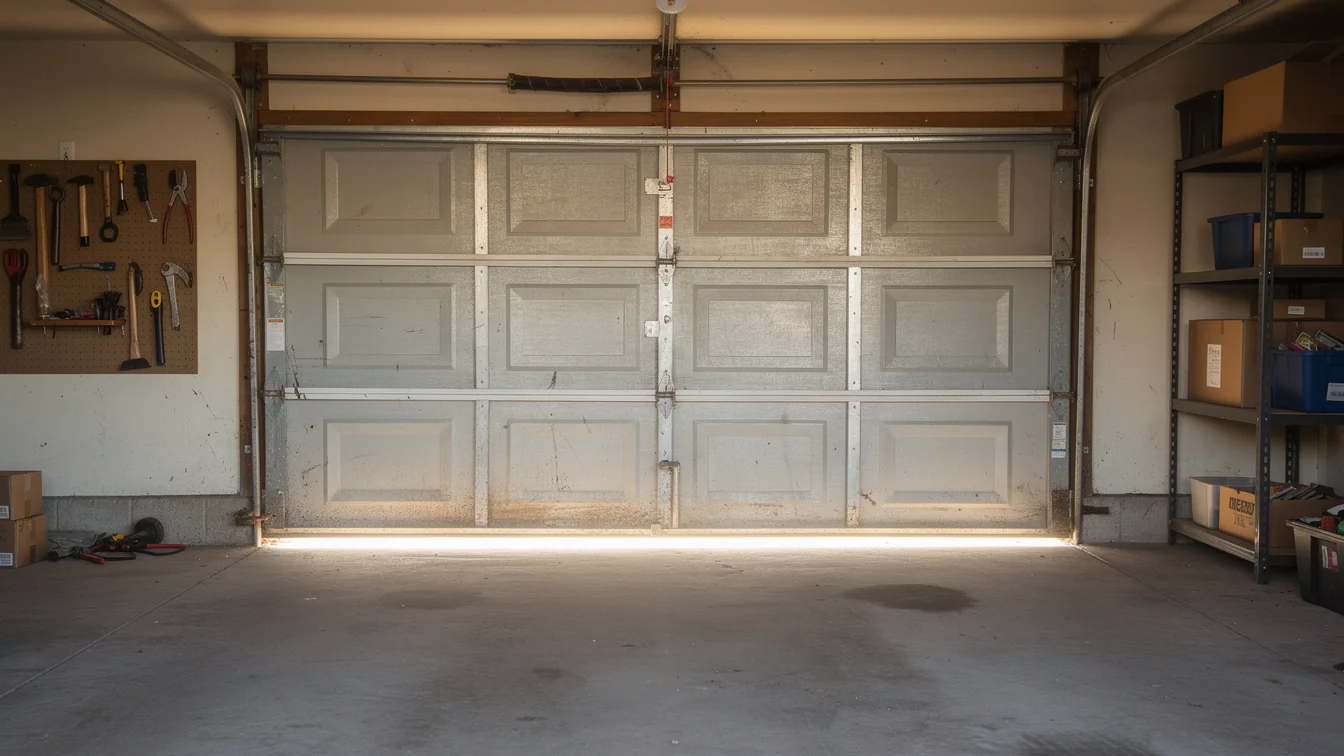
In Fayetteville's 1980s-90s housing wave, original garage doors predate insulation standards.
 The Noises Your Fayetteville Garage Door Is Trying to Tell You
Fayetteville homeowners with 1980s-90s doors: learn which garage door sounds mean a quick fix and which mean a bigger job, based on local housing stock and climate.
Ready when you are
Need a garage door sorted in Fayetteville?
Fayetteville Garage Door Pros repairs and installs garage doors, springs and openers in Fayetteville, AR and the surrounding area.