 What a Service Call Covers in Fayetteville
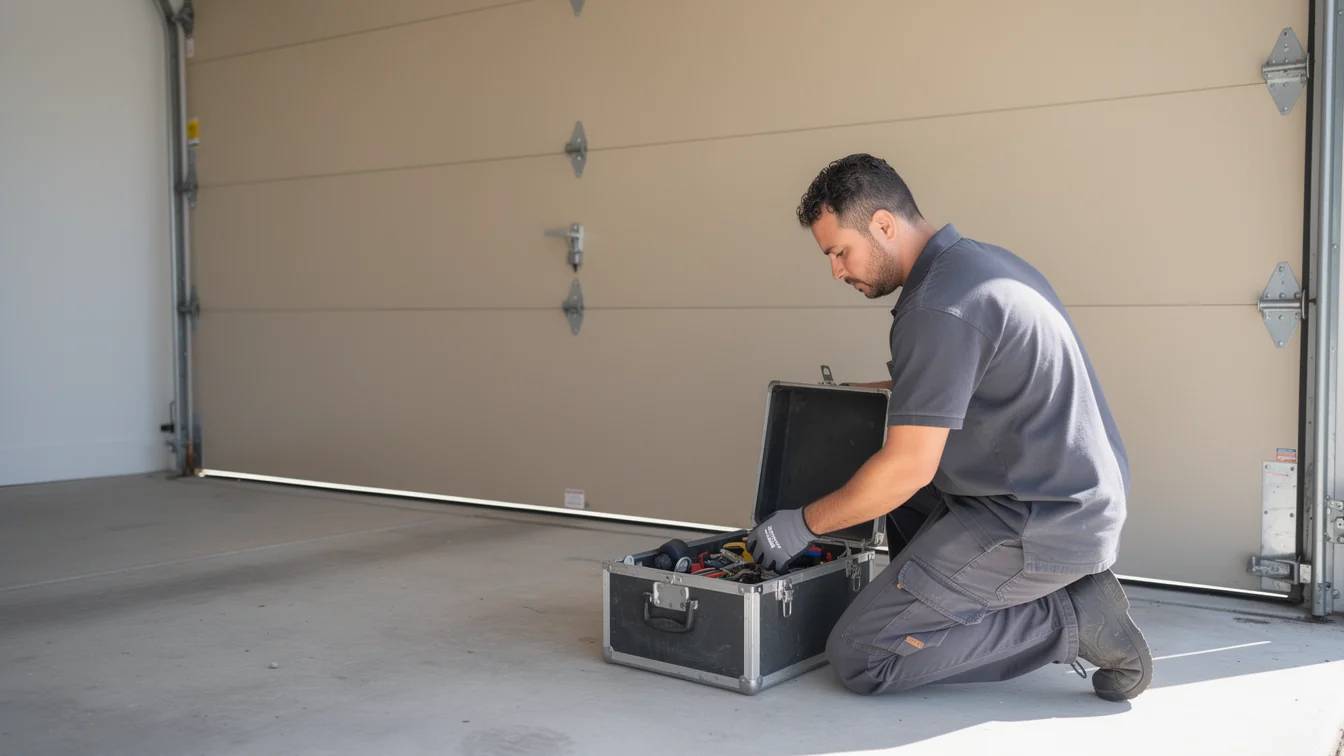
A breakdown of what a Fayetteville Garage Door Pros service call covers, built around this area's 1980s-90s housing stock and cold-climate wear patterns.
When an Older Door Still Has Life Left - and When It Doesn't
A look at when a 1980s or 90s garage door in the Fayetteville service area is worth repairing, and when the parts and climate make replacement the better call.
Local detail
When to Get Help
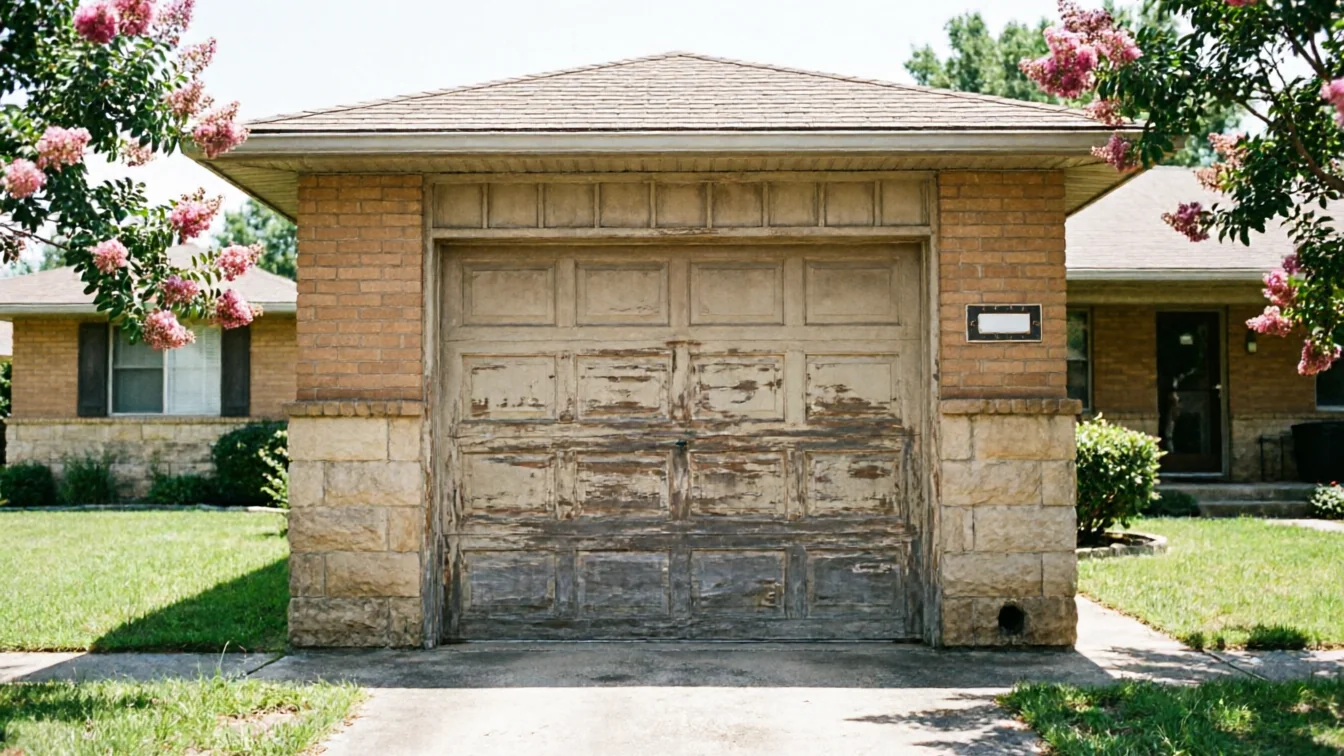
If your door is hesitating on the track, grinding when it opens, or the opener clicks without lifting anything, that's not a wait-and-see problem. Across this service area, including Johnson, Farmington, and Greenland, most houses went up between 1980 and 1999, which means a lot of original doors and openers are now thirty to forty years into a service life that was never meant to run that long. A torsion spring has a rated number of open-close cycles, and once it's near the end, it doesn't creak a warning - it snaps. If the door is from that original builder-grade run and you're hearing new noises, get it looked at before the spring lets go while the car's underneath it. On the other hand, a door that's been replaced once already, with a newer opener and galvanized hardware, can usually wait for a scheduled visit instead of an emergency call. The difference is whether you're dealing with original 1980s-90s stock or a door that's already had its one upgrade.
The area
What It Costs
We don't post a flat price list here, because what a job costs depends on what's actually wrong and what's on the door - torsion versus extension springs, steel versus wood, an opener that's original to the house or already swapped once. What we can say is that in a service area with a median household income of $87,150, most owners we talk to end up choosing full replacement over a string of patch repairs once a door is past a certain age, because the parts for a 1980s or early-90s door are getting harder to source and a repair on a dying door often just delays the next failure. A single broken spring on an otherwise sound, newer door is a different conversation than a worn-out original door with a failing opener - the first is a repair, the second is usually a replacement discussion. We'll tell you honestly which one you're looking at before we quote anything.
What we find
What Local Conditions Do
This area sits in a cold moderate climate band, which isn't the brutal cold of the upper Midwest but still means real freeze-thaw cycling through the winter months. Steel panels contract in the cold and expand again as temperatures swing, and that repeated stress is hard on seams, hinges, and especially on torsion springs that are already near the end of their rated cycles. Weatherstripping on older doors - the kind installed when the house was built sometime between 1967 and 2013, with most of the stock dating to the 1980s and 90s - tends to crack and lose its seal faster under that kind of temperature swing than it would in a climate that stays milder year-round. That's one reason a door that looks fine in summer can start sticking or binding once the cold sets in. It's also why we check spring tension and weatherstrip condition together on any older door, rather than treating them as separate issues.
How we work
The Problem
The root issue across this part of the service area is simple: a lot of houses, spread across fifteen named communities from Johnson and Farmington out to Lincoln and Winslow, were built in a narrow window - mostly the 1980s and 90s, with the overall housing stock here running from 1967 to 2013 and a median build year of 1998. That means a huge share of garage doors and openers installed at construction are now hitting the same wall at roughly the same time. Of the 22,268 households in this area, 14,904 are owner-occupied houses, and a good number of those still have the original door. We can't tell you exactly how many, because we don't track that number, but the pattern we see on calls matches the housing data: doors from that era are wearing out in clusters, not one at a time. That's the honest limitation here - we can tell you what's likely based on when your neighborhood was built, but we can't tell you the condition of your specific door without looking at it.
Questions
Common questions
My garage door is from the 1980s. Is it worth repairing or should I replace it?
Depends on what's broken. A single spring or cable snap on an otherwise sound door can be a straight repair. But if the opener is also original and parts are getting hard to find, repair often just buys you a few months before something else on the same door fails. We'll tell you which situation you're in.
Does the cold weather here actually affect garage doors?
Yes. This area sits in a cold moderate climate band, and the freeze-thaw cycling through winter stresses steel panels and torsion springs more than a milder climate would. Older doors with original weatherstripping tend to show binding or sealing problems first once temperatures start swinging.
How do I know if my door is original to the house?
If the house was built in the 1980s or 90s, which covers a large share of this service area, and the door has never been replaced that you know of, it's likely original. Original openers from that era usually look and sound noticeably older than anything installed in the last fifteen years.
Do you give a price before you come out?
We don't quote a fixed price without seeing the door, because repair and replacement costs vary a lot depending on spring type, door material, and opener age. What we can do is tell you honestly whether you're looking at a repair or a replacement once we've looked at it.
Recommendation
You Might Also Like
More garage door guides for Fayetteville homeowners.
What a Service Call Covers in Fayetteville
A breakdown of what a Fayetteville Garage Door Pros service call covers, built around this area's 1980s-90s housing stock and cold-climate wear patterns.
 Openers and Power Cuts in Fayetteville Homes
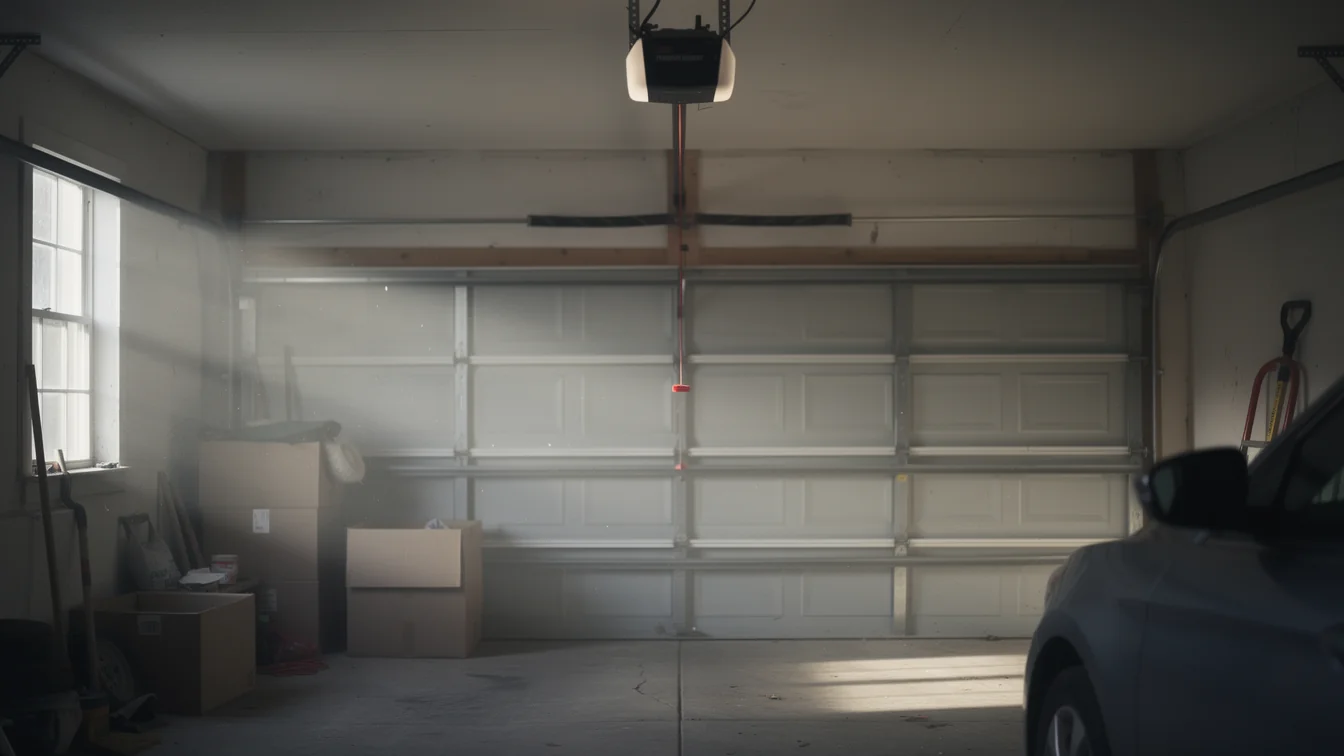
Fayetteville homes built mostly 1980s-90s run openers that weren't made for today's power cuts.
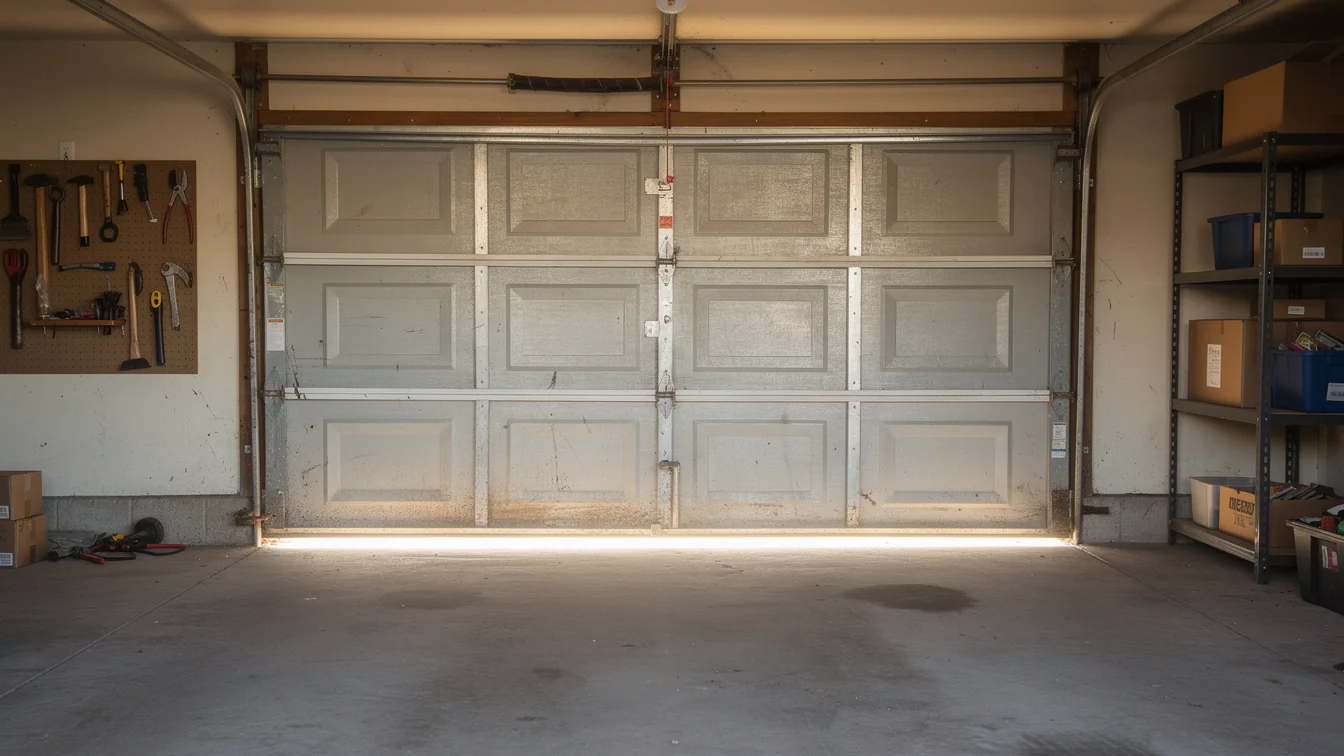 Garage Doors on Houses Built Before Insulation Rules
In Fayetteville's 1980s-90s housing wave, original garage doors predate insulation standards.
Ready when you are
Need a garage door sorted in Fayetteville?
Fayetteville Garage Door Pros repairs and installs garage doors, springs and openers in Fayetteville, AR and the surrounding area.