What Causes It Around Here
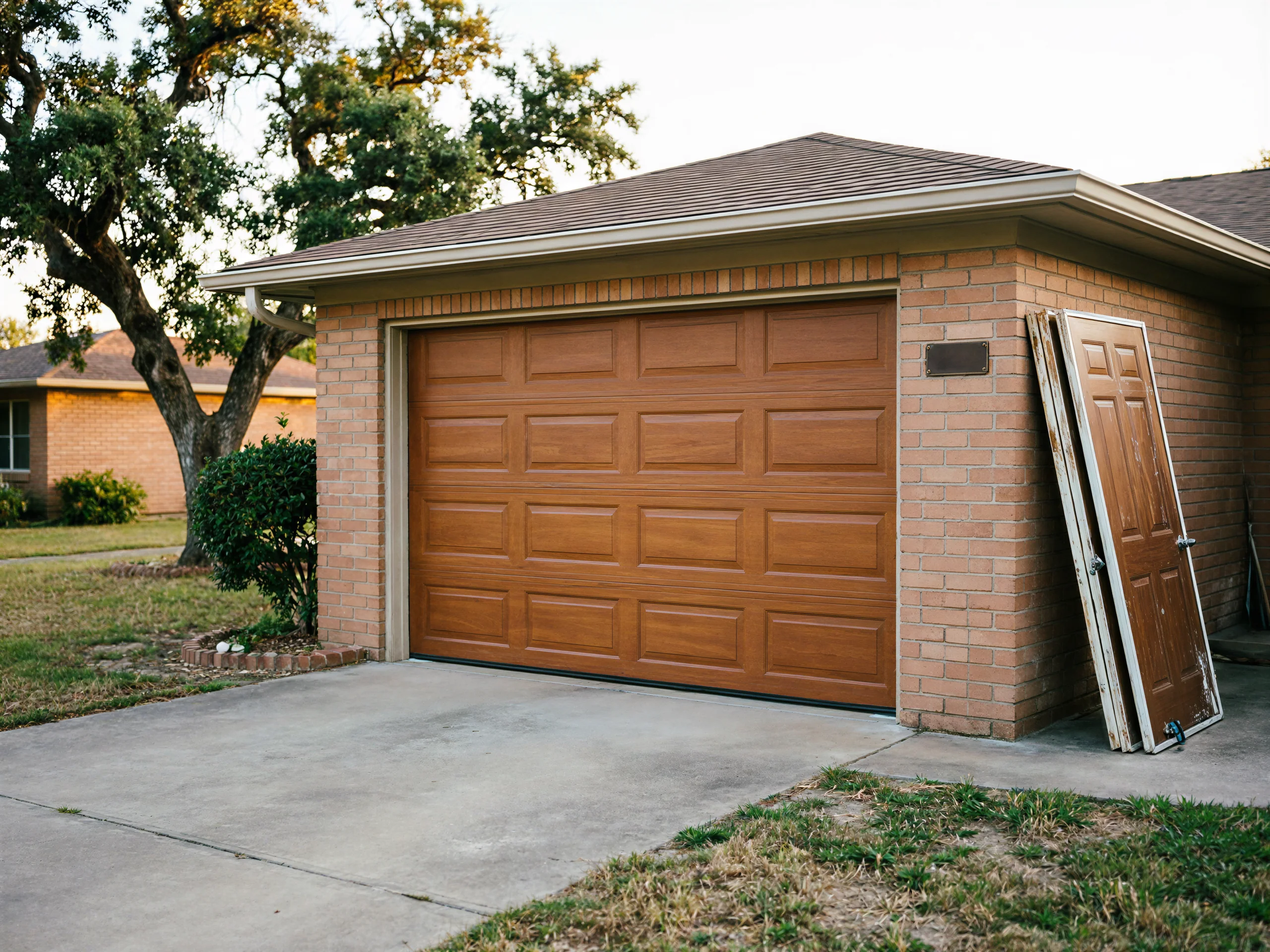
Prairie Grove's median household income is $58,556, noticeably below the wider service area's $87,150, and that number matters more than people think when a door starts acting up. A lot of houses here were built right around 1999, which puts the springs, openers, and track hardware on most of these doors into their mid-life stretch - old enough that the original grease has gone gummy, young enough that the steel itself is usually sound. At a median income under $60,000, a full replacement is a bigger bite out of the budget than it is in wealthier parts of the service area, so the math tilts harder toward keeping what you have running well rather than swapping it out early. The service area overall sits in a cold-moderate climate band, which means winter stiffens old lubricant and summer humidity swells wood jambs and panels - not dramatic, but steady wear that catches up with doors in their second decade. With about 2,758 households in Prairie Grove, this isn't a huge town, and the doors that fail tend to fail the same way: dry rollers, a cable starting to fray at the drum, a sensor knocked out of alignment by a bump from a bike or a bumper.
Getting It Booked In
We come out from Fayetteville, about 10 miles away, so maintenance visits here get scheduled as a trip rather than a drop-in.
Route planning over promises
That's not a knock against Prairie Grove - it just means we plan the route instead of promising a same-day swing-by we can't back up.
Symptoms guide parts list
Tell us what the door is doing (grinding, slow close, a chain that skips) when you call, and we bring the parts a 1999-era door is most likely to need instead of guessing on-site.
What It Costs
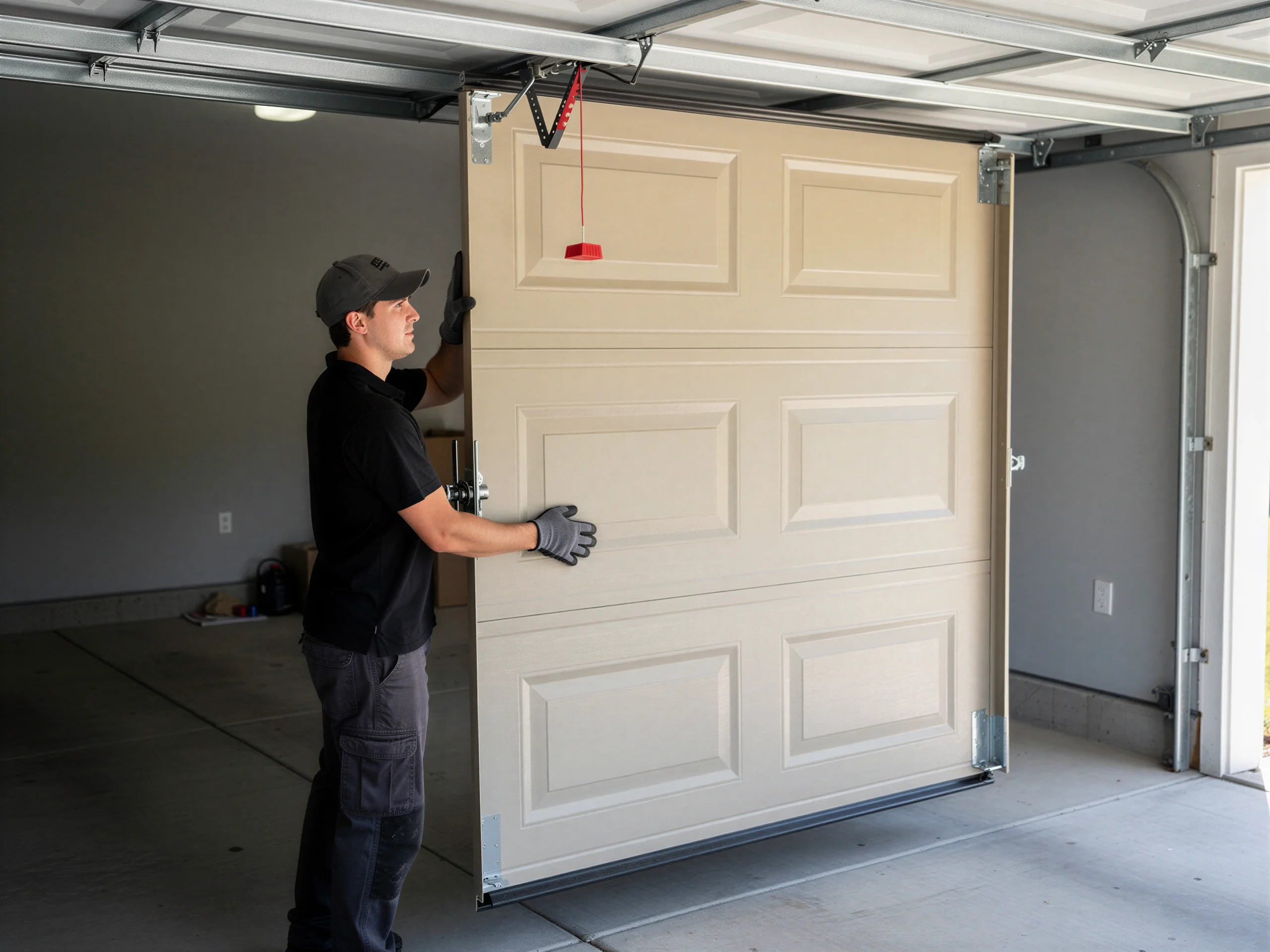
We don't post a flat maintenance price here because the right service tune for a 1999 door with original hardware isn't the same job as one on a newer opener. What we will say plainly: at a median income of $58,556, we think hard before recommending full replacement when a tune-up, new rollers, or a cable swap gets the same door running quietly for years more. If a spring is original to a 1999 install, it's lived a long life and we'll tell you honestly whether it's a fix or a signal the whole system is due. We'd rather quote you a smaller job that holds than sell a bigger one you didn't need.
Can You Do This Yourself
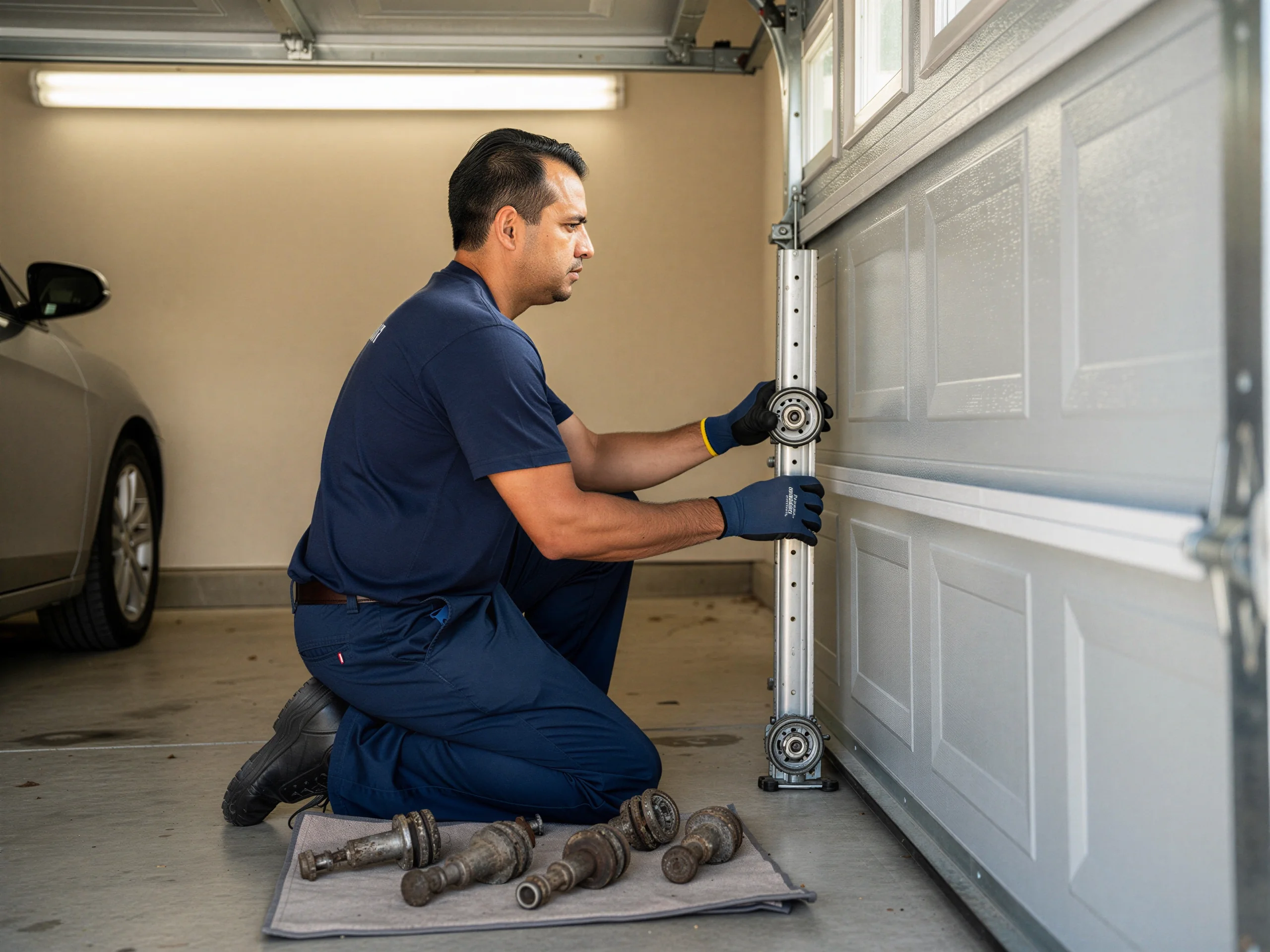
Plenty of maintenance on a door this age is homeowner-reasonable: wipe down and lubricate the rollers and hinges, check that the auto-reverse still catches on a rolled-up towel, tighten visible hardware bolts that have worked loose over two decades of use. What we don't recommend doing yourself: anything involving the torsion spring itself, or adjusting cable tension. On a door original to a 1999 build, that spring has absorbed a lot of open-close cycles and it lets go with real force. That's the one place where a wrench and good intentions aren't enough.
How We Fix It
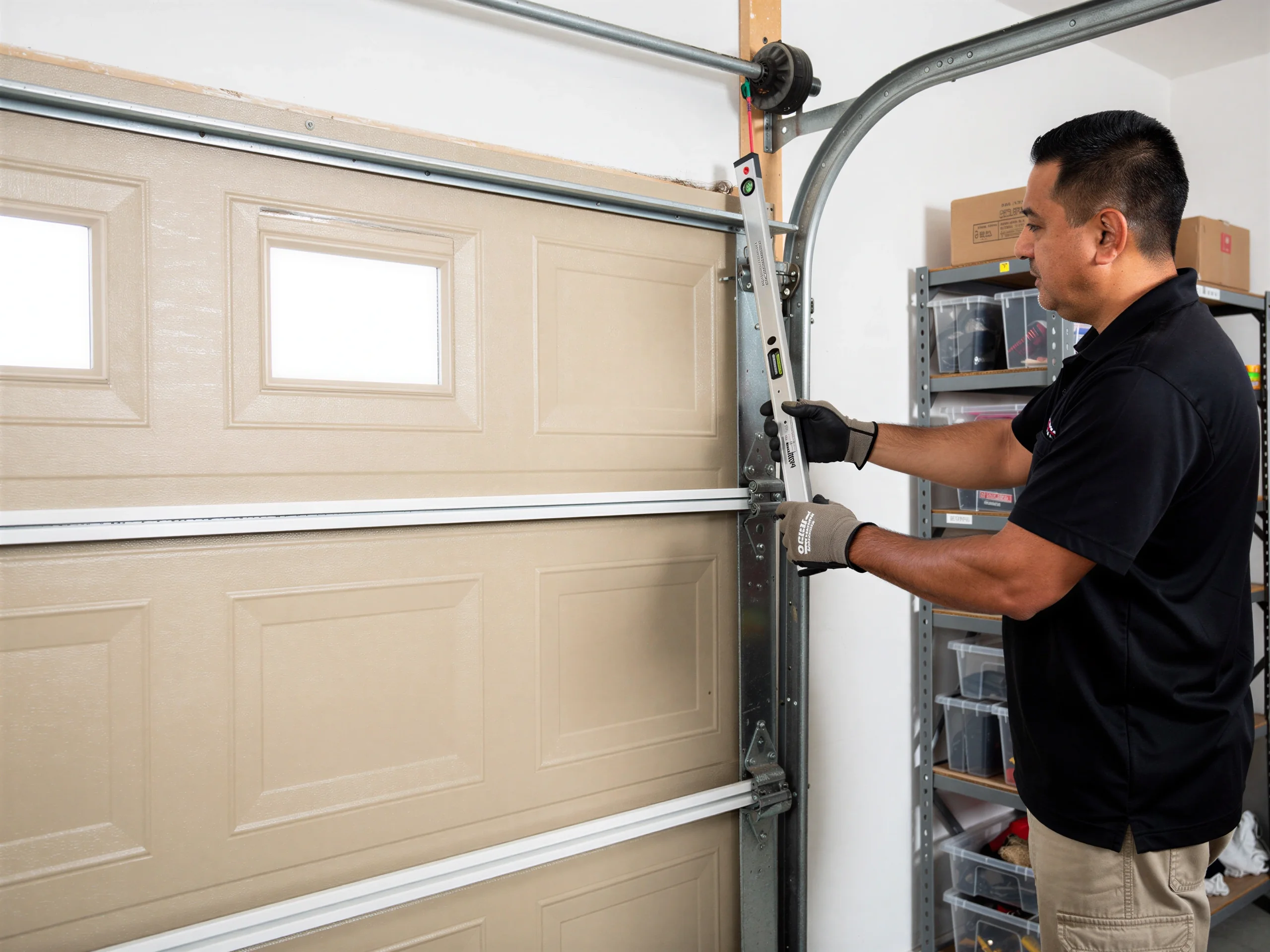
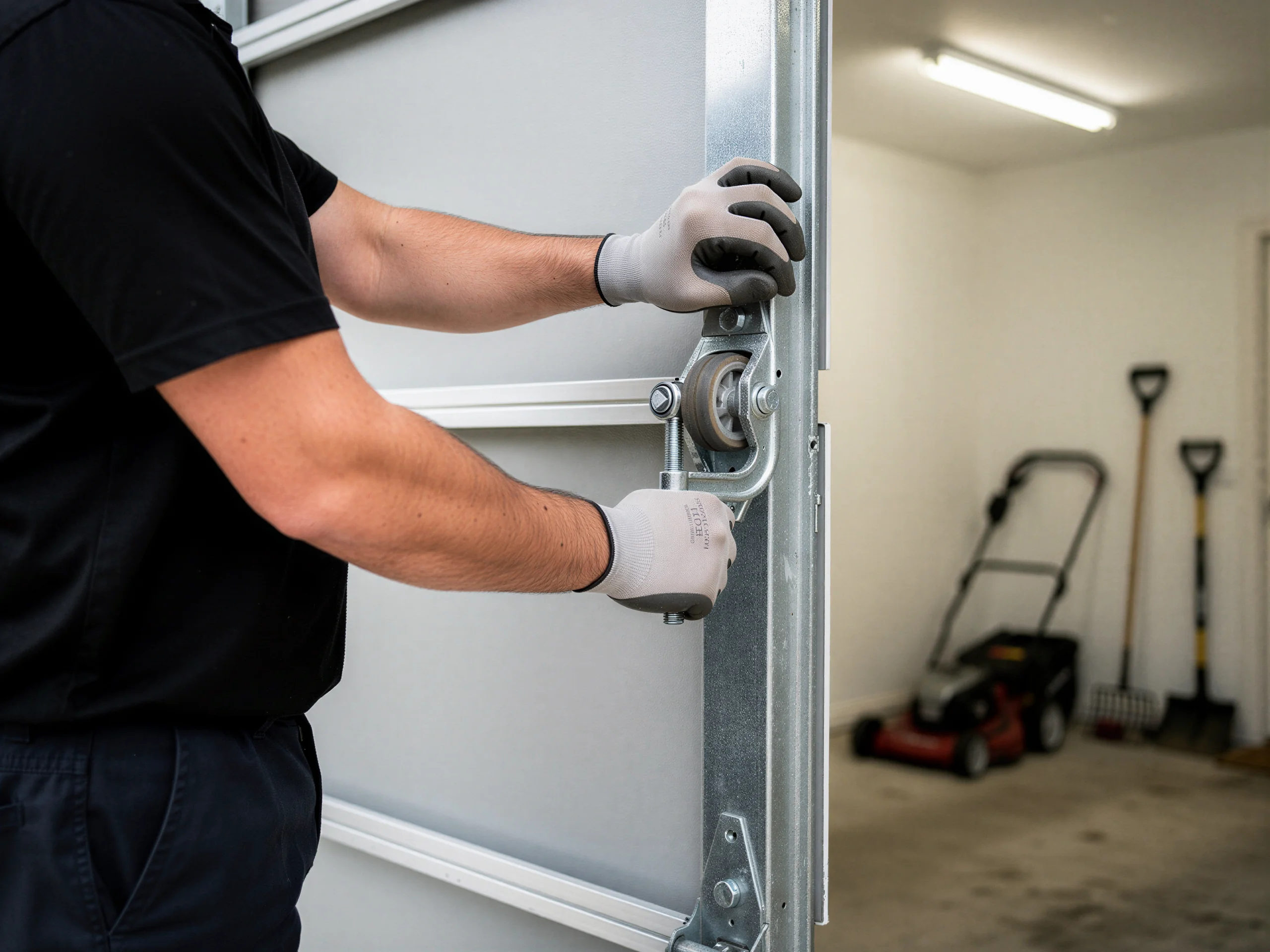
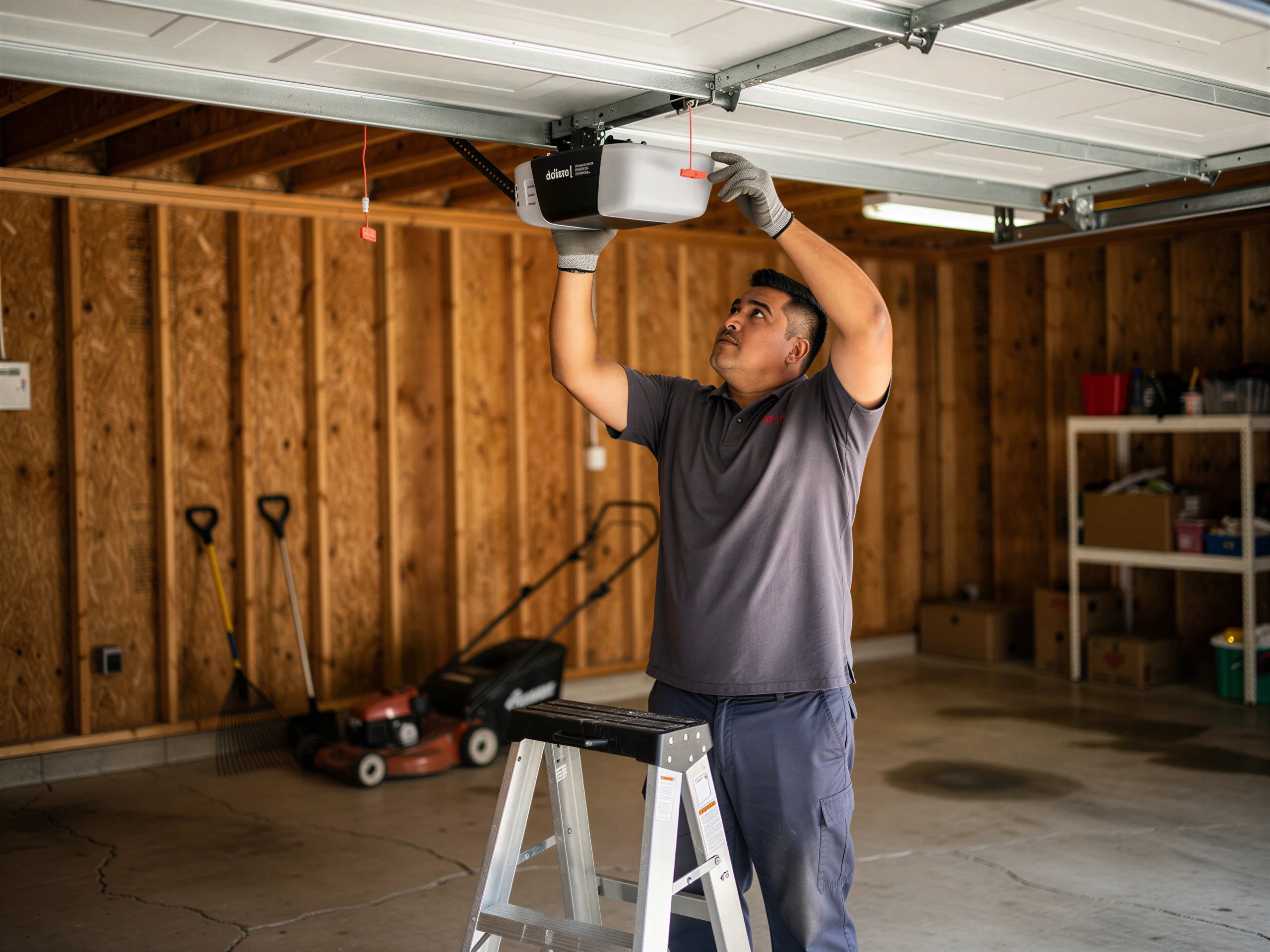
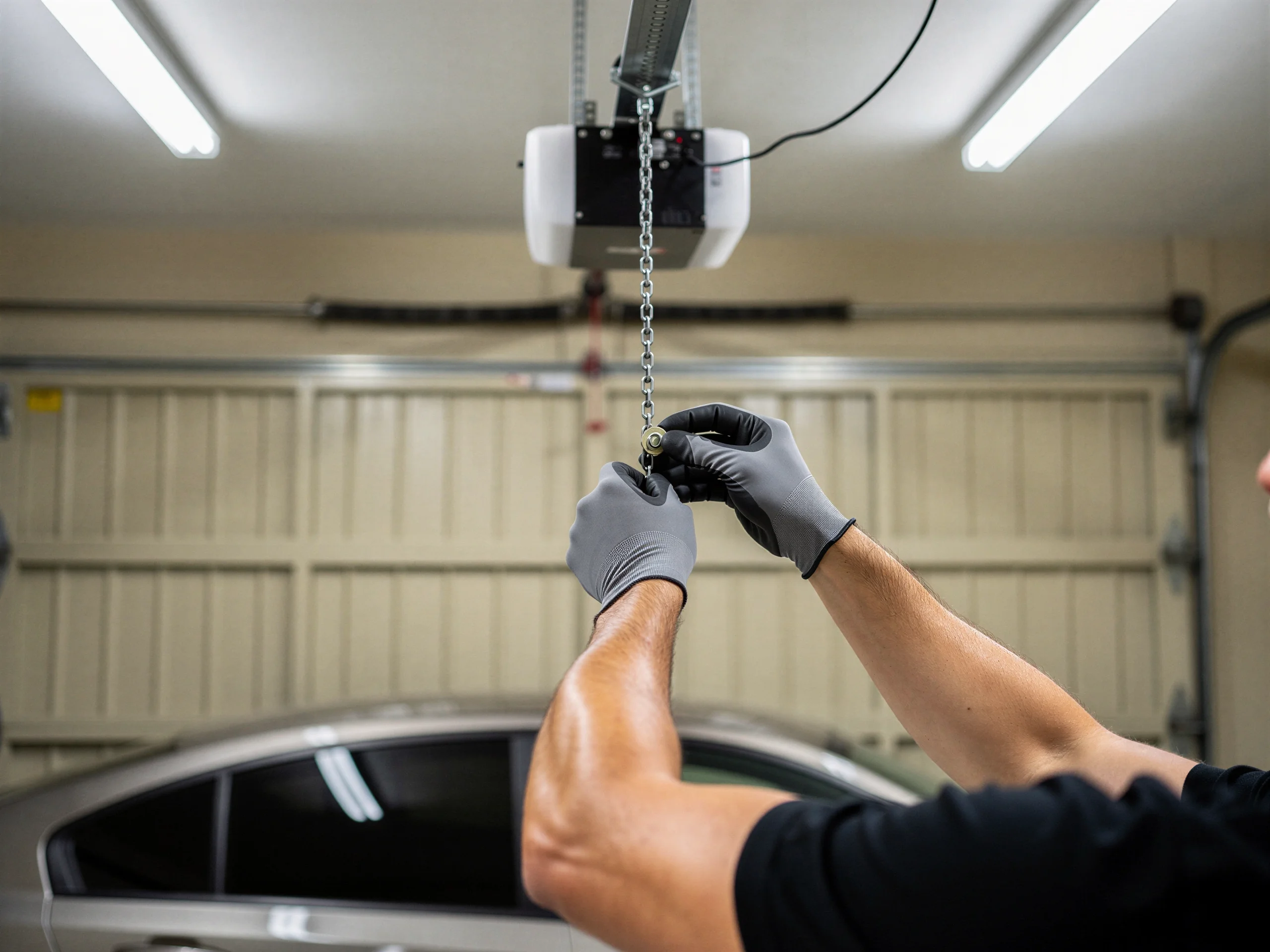
On a visit we check the spring's wind and tension against what a door this age should be carrying, inspect cables and drums for fraying, re-lubricate track and rollers, and test the opener's force and reversal settings - those drift over the years and are a common reason doors feel heavier or reverse unexpectedly.
Flagging climate-related wear
If panels or weatherstripping show the wear you'd expect from a cold-moderate climate cycling through 20-plus winters, we flag it rather than push a replacement nobody asked for.
Extending remaining door life
The goal on a maintenance call is to get the years the door has left out of it, not to find a reason to sell a new one.
Time on the Job
A standard maintenance visit runs on the shorter side - enough time to inspect, lubricate, and test the door and opener properly, not so long that we're padding the invoice. If something needs parts we don't carry on the truck, we'll tell you that honestly rather than improvising a fix that won't hold through another Arkansas winter.
Talk to a local pro
Garage door service in Fayetteville?
Same-day service with honest, upfront quotes.